May 1, 2026
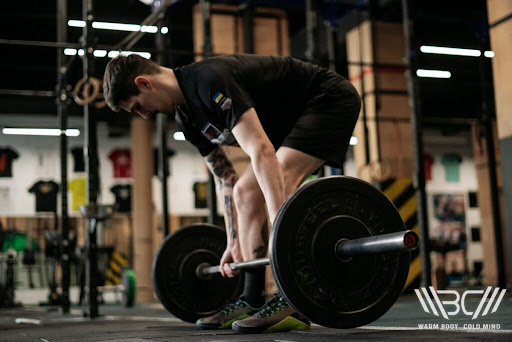
If you’ve ever trained at a gym in downtown Toronto—whether near King West or after work on Bay Street—you’ve likely seen someone grinding through heavy deadlifts. While the deadlift is one of the most powerful exercises for building strength, it’s also one of the most common causes of lower back pain when done incorrectly.
As a Toronto chiropractor, I regularly see patients who come in with back pain after lifting sessions. Many assume they “just lifted too heavy,” but in reality, the issue is often deeper—rooted in poor movement patterns, improper spine alignment, and lack of neuromuscular control.
Let’s break down why deadlift injuries happen—and more importantly, how to prevent them.
The Problem: Why People Get Hurt Doing Deadlifts
1. Lifting Too Heavy Too Soon
One of the most obvious issues is loading the bar beyond what your body can safely handle. Strength takes time to build. When the weight exceeds your body’s ability to stabilize the spine, compensations occur—often placing excessive stress on the lower back.
2. Skipping a Proper Warm-Up
Jumping straight into heavy sets without preparing your joints and muscles is a recipe for injury. A proper warm-up increases blood flow, activates stabilizing muscles, and primes your nervous system for movement.
According to the Canadian Chiropractic Association, proper movement preparation plays a key role in reducing musculoskeletal injuries and improving performance.
3. Poor Recovery and Mobility
Tight hips, restricted hamstrings, and limited ankle mobility can all alter your deadlift mechanics. When mobility is lacking, the body compensates—often by rounding the lower back or shifting load improperly.
The Real Issue: Faulty Deadlift Form
While the factors above matter, the biggest cause of injury I see in my Toronto clinic is poor form.
Deadlifts are not just about “picking weight up”—they are a full-body, coordinated movement requiring proper sequencing of the hips, spine, and core.
When form breaks down, excessive strain is placed on the lumbar spine instead of being distributed through the hips and legs. Over time, this can lead to irritation, muscle strain, or even chronic dysfunction.
Expert Insight (Dr.Krekora’ Perspective)
At Dr. Mateusz Krekora Chiropractic Clinic, I often assess patients with recurring back pain from lifting. What’s interesting is that many of them are strong—but not efficient movers.
Strength without control is where problems begin.
From a NeuroStructural perspective, improper deadlift mechanics often stem from:
Research published on PubMed suggests that improper lifting mechanics significantly increase spinal loading, especially when the bar drifts away from the body or when lumbar flexion occurs under load.
In simple terms:
The further the weight moves from your center of gravity, the harder your lower back has to work.
How NeuroStructural Chiropractic Care Solves It
At my Toronto clinic, we don’t just treat the pain—we correct the cause.
Using a NeuroStructural Corrective Care approach, we:
This is especially important for lifters. If your nervous system isn’t properly coordinating movement, no amount of “trying harder” will fix your form.
Key Deadlift Cues to Protect Your Lower Back
Here are some of my go-to coaching cues that I regularly teach patients and athletes:
1. “Split the Floor”
Imagine your feet are trying to spread the ground apart.
This activates your hip external rotators—especially the glute medius—creating stability at the hips and pelvis.
2. Keep Your Big Toe Pressed Into the Ground
This may sound simple, but it’s powerful.
Maintaining pressure through your big toe helps stabilize your foot tripod, improving balance and force transfer through the entire kinetic chain.
3. “Break the Bar”
Pretend you’re bending the bar around your shins.
This engages your latissimus dorsi, helping lock your upper body in place and prevent the bar from drifting forward.
4. Keep the Bar Close to Your Body
The bar should stay in contact—or very close—to your shins and thighs throughout the lift.
The further the bar drifts away, the greater the load on your lower back.
5. “When It Reaches Your Knees—Just Stand Up”
This is where many people overcomplicate the lift.
Once the bar passes your knees, focus on driving your hips forward and standing tall—not leaning back or hyperextending.
Why These Cues Work
All of these cues have one goal:
Shift the workload from your lower back to your hips and legs.
When done correctly, the deadlift becomes a powerful, safe movement that strengthens your posterior chain—including your glutes, hamstrings, and core—while minimizing strain on the spine.
According to the Ontario Chiropractic Association, proper biomechanics and posture are essential for preventing repetitive strain injuries and maintaining long-term spine health.
Local Tips for Recovery and Maintenance in Toronto
Living in Toronto often means long hours sitting—whether at a desk on Bay Street or commuting on the TTC. This creates tight hips and weak glutes, which directly impact your deadlift form.
Here’s how to stay ahead:
At Dr. Mateusz Krekora Chiropractic Clinic, we combine chiropractic adjustments, posture correction, and NeuroFunctional Acupuncture to help your body move the way it was designed to.
Conclusion
Deadlifts aren’t dangerous—poor deadlifts are.
While lifting too heavy and skipping warm-ups can contribute to injury, the most common issue is improper form and faulty movement patterns. The good news? These are fixable.
With the right guidance, proper cues, and a focus on NeuroStructural correction, you can lift stronger, safer, and pain-free.
If you’ve been dealing with back pain from lifting—or want to prevent it before it starts—now is the time to take action.
👉 Book Your Free Case Review and start feeling like you’re 25 again.
This article is for informational purposes only and should not be taken as medical advice. Please consult a licensed chiropractor before starting any treatment.

.png)
