March 6, 2026
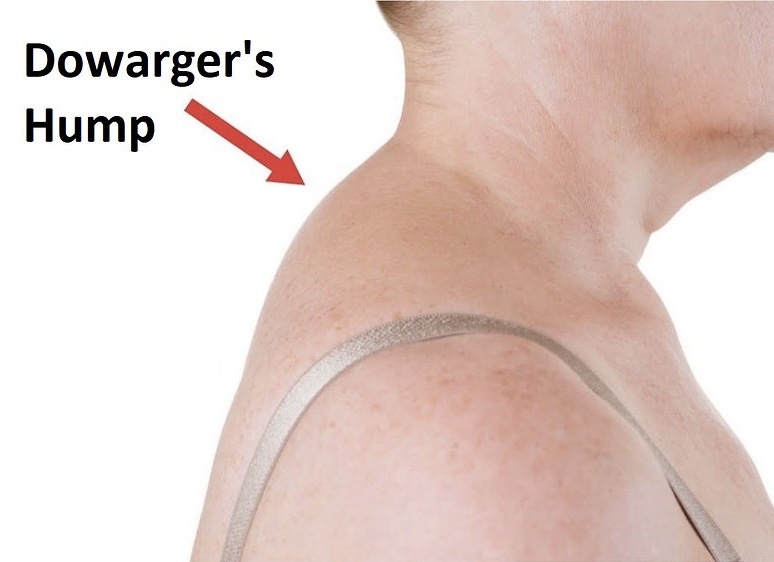
If you’ve ever caught your reflection in a downtown Toronto office window and noticed your head drifting forward or a small hump forming at the base of your neck, you’re not alone. As a Toronto chiropractor, I regularly see patients from Bay Street professionals to students at the University of Toronto struggling with what’s commonly called Dowager’s hump.
In clinical terms, this is often related to thoracic hyperkyphosis and forward head posture—a structural imbalance affecting the upper spine. While the term “Dowager’s hump” historically referred to age-related spinal curvature, today I see it just as often in younger adults due to prolonged desk work, smartphone use, and sedentary lifestyles.
At Dr. Mateusz Krekora Chiropractic Clinic, our focus isn’t just temporary relief. Through the NeuroStructural Corrective Process, we address the root cause of postural dysfunction—so you can feel strong and live to the fullest.
The Problem: What Is Dowager’s Hump?
Dowager’s hump refers to an excessive rounding of the upper back (thoracic spine) combined with forward head posture.
Structurally, this involves:
According to the Canadian Chiropractic Association, chiropractors focus on diagnosing and treating mechanical disorders of the spine and their effects on the nervous system. When thoracic joints lose motion, compensation patterns develop above and below the restricted segments.
Forward head posture is especially concerning because for every inch the head shifts forward, the load on the cervical spine significantly increases. Research published in peer-reviewed journals and indexed on PubMed has linked sustained forward head posture to neck pain, headaches, and altered muscle activation patterns.
Why So Many People in Toronto Are Affected
Toronto’s lifestyle plays a major role in postural decline.
1. Desk-Based Work Culture
From financial professionals on Bay Street to tech workers in Liberty Village, many Torontonians spend 6–10 hours daily seated at a computer. The Government of Canada highlights that prolonged sedentary behaviour is associated with musculoskeletal strain and postural stress (Canada.ca – Physical Activity and Sedentary Behaviour).
2. Smartphone & Commuter Posture
Whether riding the TTC or walking along King Street, we constantly look down at devices. This repetitive flexion reinforces forward head posture.
3. Reduced Thoracic Mobility
Cold winters and indoor living decrease overall activity habits which affects our spine. When thoracic joints stiffen, the neck compensates by protruding forward.
At my Toronto clinic, I often see patients in their 30s and 40s with postural patterns that used to be more common in much older populations.
Expert Insight (Dr. Mateusz’s Perspective)
Dowager’s hump is not simply a “cosmetic” issue—it’s a NeuroStructural imbalance.
Your spine houses and protects your nervous system. When posture collapses forward:
The Ontario Chiropractic Association explains that chiropractic care focuses on restoring proper spinal motion to support nervous system function (Ontario Chiropractic Association).
In my clinical experience, the real issue is not the visible hump—it’s the core driver: forward head posture combined with restricted joint mobility.
When we correct that, the body often begins to remodel naturally.
How NeuroStructural Corrective Care Solves It
1. Increasing Motion in Affected Joints
Corrective chiropractic adjustments restore mobility to restricted thoracic and cervical segments.
When joints move properly:
This is different from symptom-based care. Instead of chasing neck pain, we restore motion where it has been lost.
2. Improving Postural Awareness (Nervous System Function)
Posture is neurological. Your brain constantly processes feedback from spinal joints and muscles.
Restricted joints reduce accurate sensory input. By restoring spinal movement, we enhance proprioceptive feedback—helping the nervous system recognize upright alignment.
Many patients tell me they “naturally sit taller” without consciously forcing it.
3. NeuroFunctional Electroacupuncture Support
Electroacupuncture is modern adaptation of traditional acupuncture using gentle electrical stimulation.
In posture correction cases, electroacupuncture helps:
It prepares tight anterior muscles and overactive upper trapezius muscles to respond better to adjustments and exercises.
4. Targeted Postural Exercises
Corrective care always includes specific rehab exercises such as:
Exercises reinforce the new structural alignment, helping reduce the forward head position at its root.
Why Corrective Chiropractic Is the Best Long-Term Strategy
Many approaches focus only on stretching or strengthening.
But without restoring joint motion, exercises alone often reinforce compensation patterns.
Corrective chiropractic:
✔ Addresses joint restriction
✔ Improves nervous system communication
✔ Enhances spinal alignment
✔ Builds sustainable postural awareness
✔ Reduces mechanical stress contributing to the hump
While research is ongoing, current evidence suggests that multimodal approaches—including spinal manipulation and therapeutic exercise—are effective for posture-related neck pain and dysfunction, as supported in peer-reviewed literature indexed through PubMed.
The key difference is addressing the structural cause—not masking symptoms.
Local Tips for Recovery and Maintenance
If you live in Toronto, here are practical steps to begin immediately:
1. Reset Every 45 Minutes
Set a timer during work hours. Stand, extend your upper back, retract your shoulder blades.
2. Optimize Your Workstation
3. Use the “Wall Test”
Stand against a wall:
If not, forward head posture is likely present.
4. Stay Active Year-Round
Even in winter, indoor mobility exercises prevent thoracic stiffness.
Dowager’s Hump treatment Toronto:
Dowager’s hump isn’t just about appearance—it’s a sign your spine may be adapting to chronic stress and reduced mobility.
Through Corrective Chiropractic, we restore motion, improve nervous system communication, and retrain posture at its root. When combined with NeuroFunctional electroacupuncture and targeted exercises, we create lasting structural change—not temporary relief.
If you’re noticing forward head posture or a developing hump at the base of your neck, early intervention makes a difference.
At Dr. Mateusz Krekora Chiropractic Clinic, our NeuroStructural approach helps Toronto residents correct posture and feel strong again.
Ready to feel like you’re 25 again?
👉 Book Your Free Case Review and take the first step toward better spine alignment and long-term posture correction.
This article is for informational purposes only and should not be taken as medical advice. Please consult a licensed chiropractor before starting any treatment.

.png)
