March 9, 2026
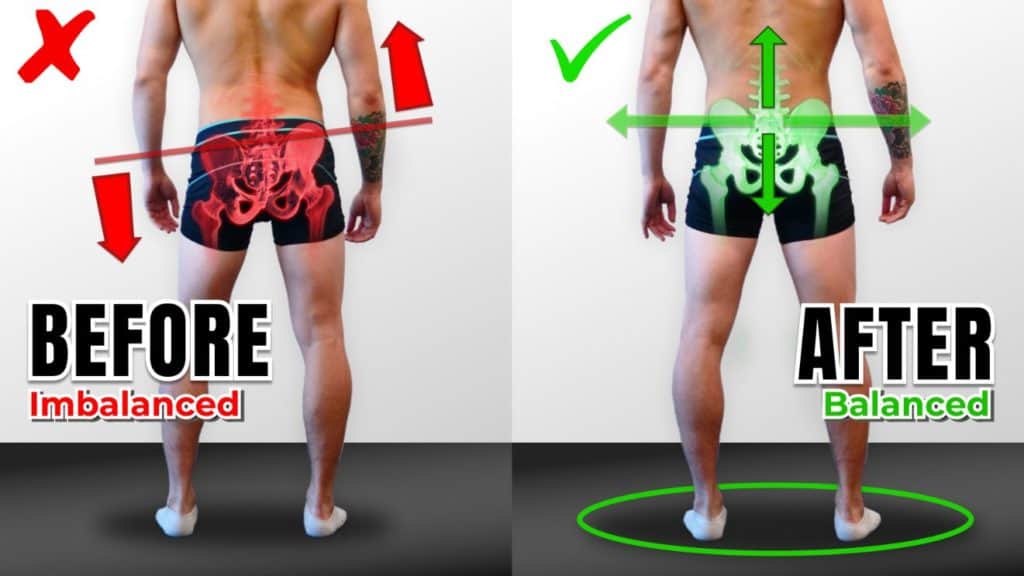
Have you ever felt like one hip sits higher than the other, or that your body leans slightly when you stand?
This is something chiropractors and physiotherapists frequently notice during an exam: one leg appears shorter than the other.
Unfortunately, the most common recommendation patients receive is something simple—but often frustrating:
“Put a heel lift in your shoe.”
While heel lifts can sometimes help certain cases, many people find them inconvenient. They may need to move the lift between different pairs of shoes, deal with imbalance when barefoot, or feel like the underlying issue was never truly addressed.
In my Toronto Chiropractic clinic, I often see patients who have been told they have a leg length difference, but no one explained why it exists.
The truth is there are two different types of leg length differences:
1. Structural leg length differences
2. Functional leg length differences
And the distinction matters—because functional differences are often correctable.
⸻
The Problem or Symptom
When your hips feel uneven or tilted, it can create a cascade of issues throughout the body.
Common symptoms include:
• One hip appearing higher or lower
• Feeling like you lean to one side when standing
• Uneven wear on shoes
• Lower back discomfort
• Hip or sacroiliac (SI) joint pain
• Tightness on one side of the lower back
• Knee or ankle discomfort
Many people first notice the issue while:
• Looking at themselves in the mirror
• Doing exercises at the gym
• Standing in photos
• Walking or running
According to the Canadian Chiropractic Association, spinal and pelvic imbalances can alter biomechanics and place uneven stress on muscles and joints, potentially contributing to pain or dysfunction.
Understanding why your hips feel uneven is the first step toward correcting the problem.
⸻
Structural vs Functional Leg Length Difference
1) Structural Leg Length Difference
A structural leg length difference means the bones of one leg are physically shorter than the other.
This can occur due to:
• Genetics
• Childhood growth differences
• Previous fractures
• Hip joint conditions
Research suggests small structural differences are actually quite common. A review published in PubMed indicates many people have minor variations in limb length without symptoms.
In these cases, a heel lift or orthotic may sometimes help reduce strain on the body.
However, true structural differences are less common than many people think.
⸻
2) Functional Leg Length Difference
A functional leg length difference occurs when the bones are the same length, but pelvic or spinal dysfunction causes one leg to appear shorter.
This often happens when:
• The sacroiliac joint becomes restricted
• The pelvis rotates or tilts
• The lumbar spine loses normal mobility
• Muscle imbalances pull the pelvis unevenly
In these cases, the leg itself isn’t actually shorter—
the pelvis is simply sitting unevenly.
Functional differences can often change depending on posture, movement habits, and muscle activation.
This is where corrective chiropractic care can make a significant difference.
⸻
Expert Insight (Dr. Mateusz’s Perspective)
At Dr. Mateusz Krekora Chiropractic Clinic in Toronto, I frequently evaluate patients who feel like their hips are uneven or their legs are different lengths.
One thing I explain early on is that many leg length differences are functional rather than structural.
In other words, the issue isn’t the leg—it’s how the pelvis and spine are moving.
The sacroiliac joints, which connect the spine to the pelvis, play a critical role in maintaining balance between the left and right sides of the body.
When one SI joint becomes restricted or “stuck”, the pelvis can tilt slightly.
That tilt can create the appearance of:
• A shorter leg
• Uneven hips
• Asymmetrical posture
According to information from the Ontario Chiropractic Association, proper spinal and joint mobility is essential for maintaining healthy movement patterns and balanced load distribution throughout the body.
When these joints begin to move better again, patients often report that they feel more level and balanced through their hips.
⸻
How NeuroStructural Care Solves It
At my clinic, we focus on identifying the underlying structural and neurological patterns that create imbalance.
This approach is called NeuroStructural Corrective Care.
Instead of simply compensating for asymmetry with a heel lift, we aim to address why the asymmetry developed in the first place.
The process typically involves three key steps.
⸻
1. Restore Spinal and Pelvic Mobility
The first priority is improving movement in areas that are restricted.
This often includes:
• Sacroiliac joint dysfunction
• Lumbar spine restrictions
• Pelvic rotation
Gentle chiropractic adjustments help restore normal joint motion, reducing the mechanical forces that pull the pelvis unevenly.
When these joints move more freely, the body often rebalances naturally.
⸻
2. Break Habitual Patterns That Reinforce Asymmetry
Many everyday habits unintentionally reinforce pelvic imbalance.
Common examples include:
• Crossing the same leg repeatedly
• Sitting with weight shifted to one side
• Slouching in poorly adjusted office chairs
• Carrying bags on the same shoulder
These habits are particularly common for people working long hours at desks in Toronto’s downtown offices.
Small ergonomic adjustments—like proper chair height, lumbar support, and balanced sitting posture—can help reduce the daily stress that contributes to uneven hips.
⸻
3. Personalized Rehabilitation Exercises
The final step is strengthening muscles that help maintain symmetry.
Often, certain muscles become underactive, while others become overactive or tight.
Examples include:
Underactive muscles may include:
• Gluteus medius
• Deep core stabilizers
• Hip stabilizers
Overactive muscles may include:
• Hip flexors
• Quadratus lumborum
• Lower back muscles
Targeted exercises help reactivate underused muscles and restore balanced movement patterns.
When the body begins to function more symmetrically, many patients notice that their hips feel more stable and level.
⸻
Local Tips for Recovery and Maintenance
If you feel like your hips are uneven, small daily changes can make a meaningful difference.
Be Mindful of Leg Crossing
Crossing the same leg repeatedly can gradually reinforce pelvic rotation.
Try alternating sides or keeping both feet flat on the floor when sitting.
⸻
Improve Chair Ergonomics
If you work long hours at a desk—whether in a Bay Street office or working remotely—ensure:
• Your feet rest flat on the ground
• Your hips sit slightly higher than your knees
• Your lower back has support
These changes reduce strain on the lumbar spine and sacroiliac joints.
⸻
Stay Active
Movement helps maintain healthy joint function.
Activities like walking, mobility work, and gentle strengthening exercises help support balanced spinal mechanics.
The Government of Canada’s guidance on back pain emphasizes staying active as an important part of maintaining spinal health.
⸻
Conclusion
If you feel like your hips are uneven or tilted, it doesn’t automatically mean one leg is truly shorter than the other.
Many people actually have a functional leg length difference, where spinal or pelvic dysfunction creates asymmetry.
The good news is that these imbalances often improve when you:
• Restore spinal and sacroiliac joint mobility
• Break habits that reinforce asymmetry
• Strengthen the muscles responsible for pelvic stability
At Dr. Mateusz Krekora Chiropractic Clinic in Toronto, our NeuroStructural Corrective Process focuses on addressing the root cause of imbalance, not simply compensating for it.
The goal is simple:
Help you feel balanced, strong, and comfortable in your body again.
If your hips feel uneven or your posture seems off, it may be worth taking a closer look.
👉 Book Your Free Case Review and start your journey toward feeling strong—and maybe even like you’re 25 again.
⸻
This article is for informational purposes only and should not be taken as medical advice. Please consult a licensed chiropractor before starting any treatment.

.png)
