Introduction
If you sit at a desk on Bay Street all day or spend weekends sitting on the couch there’s a good chance your glutes aren’t firing the way they should. At my Downtown Toronto clinic, I often see patients with back, hip, or knee pain that isn’t caused by weak muscles—but by inactive ones.
That’s where glute activation comes in.
As a Toronto chiropractor specializing in NeuroStructural Corrective Care, I focus on restoring proper nerve–muscle communication. Today, I want to share three simple but powerful glute activation cues I teach patients every day:
These small changes can dramatically improve how you move, lift, walk, and even stand—helping you feel strong and confident again.
The Problem or Symptom: “Dead Glutes” and Modern Life
Your gluteal muscles (gluteus maximus, medius, and minimus) are the powerhouse of human movement. They stabilize your pelvis, support your spine, and protect your knees.
However, prolonged sitting, poor posture, and compensatory movement patterns can cause glute inhibition, sometimes called “dead glute/butt syndrome.” Research shows that reduced glute activation is associated with low back pain and altered movement mechanics PubMed.
When your glutes don’t fire properly, other muscles step in—often your lower back, hip flexors, or knees. Over time, this can lead to:
The Canadian Chiropractic Association emphasizes that optimal muscle activation is essential for spinal health and injury prevention Canadian Chiropractic Association.
Expert Insight (Dr. Krekora’s Perspective)
At Dr. Mateusz Krekora Chiropractic Clinic, I don’t just look at where pain is—I look at why the body is compensating.
From a NeuroStructural perspective, glute inhibition is often tied to altered nerve signaling caused by spinal misalignment or postural stress. If the nervous system isn’t communicating efficiently, muscles won’t activate at a high level and when needed—even if they’re technically “strong.”
That’s why corrective care focuses on:
Glute activation cues are a simple but powerful way to reconnect the brain to the body while we address the structural root cause.
How NeuroStructural Care Supports Glute Activation
NeuroStructural Corrective Care aims to restore optimal posture and nerve flow so muscles can function naturally. Evidence suggests that spinal health plays a key role in neuromuscular coordination and movement efficiency Ontario Chiropractic Association.
When posture improves and nerve interference is reduced:
Glute activation exercises and cues work best when combined with corrective chiropractic care—not as a replacement, but as a reinforcement.
Dr. Krekora’s 3 Core Glute Activation Tips
1. Push Through Your Heels
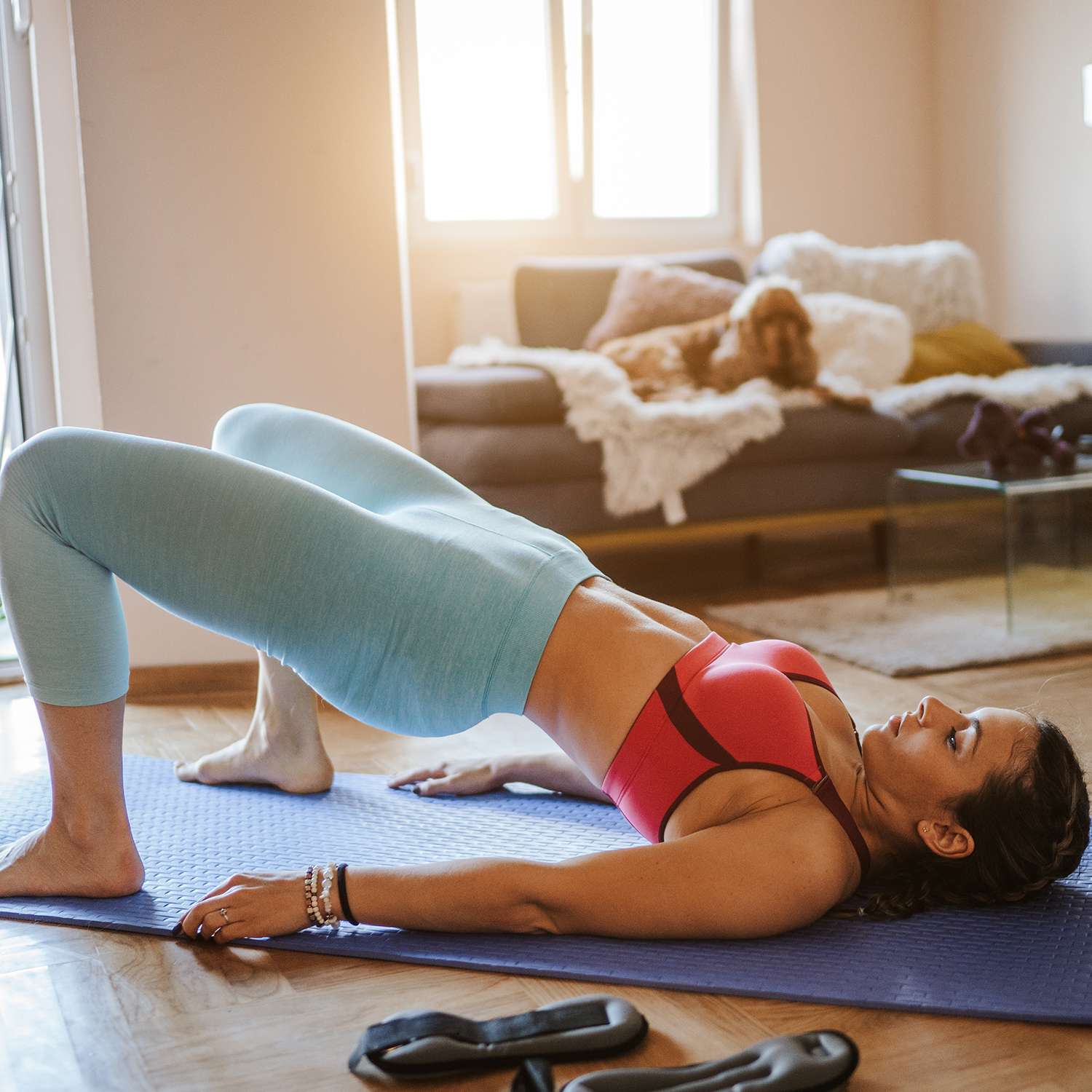
When performing movements like squats, bridges, or step-ups, many people unintentionally shift their weight toward their toes. This pattern often increases quad dominance and reduces glute engagement.
Cue:
“Drive your heels into the ground.”
Why it works:
Studies on lower-body biomechanics suggest heel-driven movements increase hip extensor activation compared to toe-dominant patterns PubMed.
Toronto tip: If you’re standing on hard condo floors or gym surfaces, try barefoot or minimalist shoes occasionally to improve foot-ground awareness.
2. Push Through Your Big Toe
This may sound counterintuitive after talking about heels—but proper glute activation requires balanced whole foot contact, not just shifting backward.
Your big toe plays a crucial role in stability and force transfer up the kinetic chain. According to gait and posture research, inadequate big toe engagement can alter hip and pelvic mechanics PubMed.
Cue:
“Keep your big toe gently pressed into the ground.”
Why it works:
Think of it as a tripod foot: heel, big toe, and little toe all grounded. This creates a stable base for glute activation.
3. Put Your Hand on Your Glutes for Proprioception
One of my favorite and most overlooked techniques is tactile proprioception—using touch to improve muscle awareness.
Cue:
“Place your hand on your glute and feel it contract.”
Why it works:
Research shows that tactile feedback can significantly improve motor control and muscle recruitment PubMed.
At my Toronto clinic, I often see patients instantly improve their squat and lunge form simply by adding this cue. It’s simple, safe, and surprisingly effective.
Local Tips for Recovery and Maintenance in Toronto
To keep your glutes firing properly between visits:
Conclusion
Glute activation isn’t about doing more exercises—it’s about moving smarter. By pushing through your heels, engaging your big toe, and using your hand for proprioception, you can dramatically improve how your body functions.
At Dr. Mateusz Krekora Chiropractic Clinic, our NeuroStructural approach helps address the root cause of muscle inhibition so these cues actually stick—allowing you to feel strong, stable, and confident again.
Ready to feel like you’re 25 again?
Book Your Free Case Review today and start moving the way your body was designed to.
This article is for informational purposes only and should not be taken as medical advice. Please consult a licensed chiropractor before starting any treatment.

.png)
