January 15, 2026
Introduction
If you’ve ever felt a deep, aching pain on the outside of your hip—especially when walking, climbing stairs, or lying on your side—you may be dealing with Greater Trochanteric Pain Syndrome (GTPS). At my Downtown Toronto clinic, I often see patients who assume this pain is a simple “hip issue,” when in reality, the root cause frequently starts much higher up the chain: the lower back and nervous system.
For many active Toronto professionals—whether you’re sitting long hours near Bay Street or cycling along the Don Valley Trail—low back dysfunction can quietly switch off your glute muscles, placing excess stress on the structures around the greater trochanter. This article explores how corrective chiropractic care, combined with electroacupuncture, can help address GTPS by restoring proper spinal and neuromuscular function.
The Problem: What Is Greater Trochanteric Pain Syndrome?
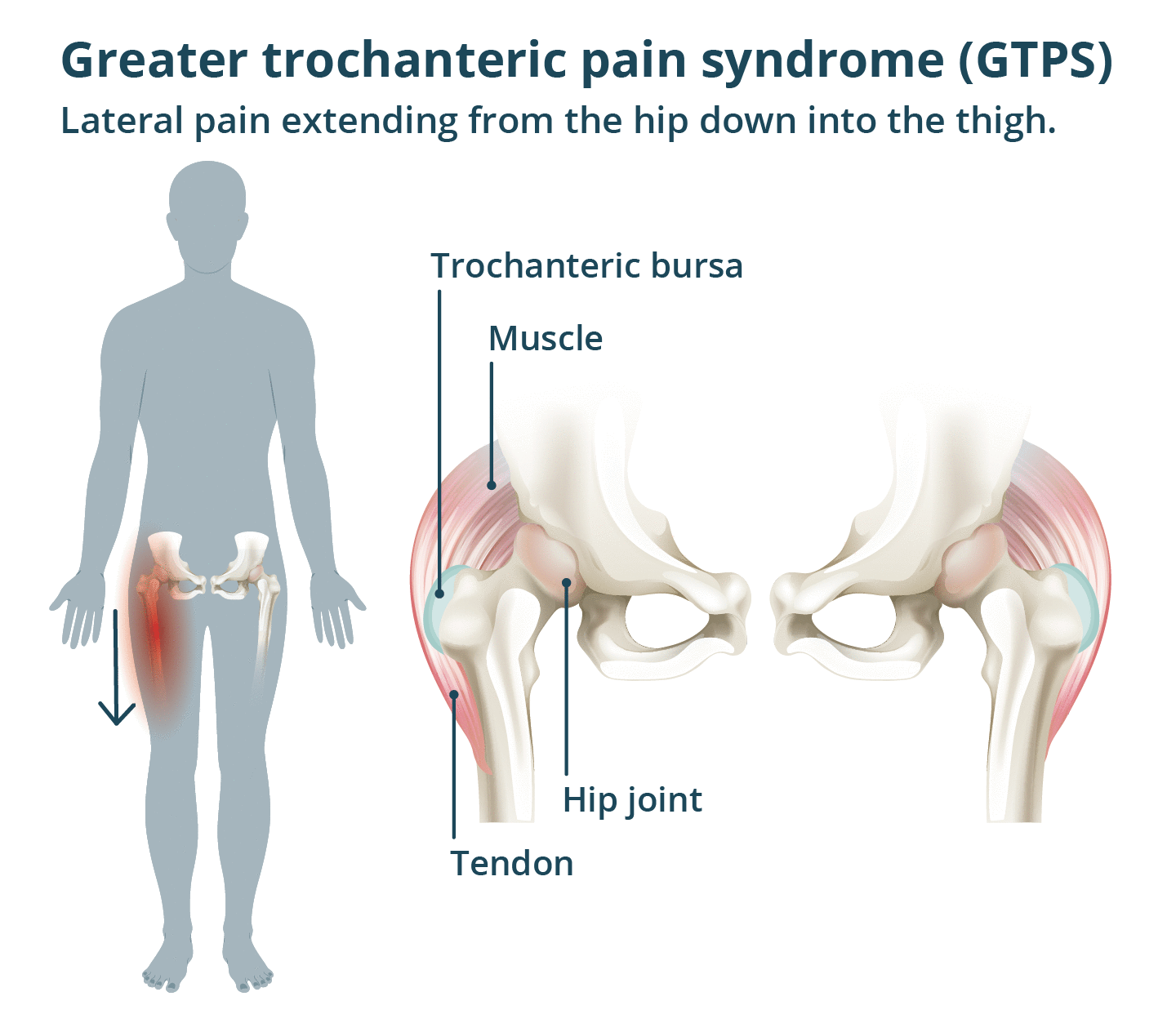
Greater Trochanteric Pain Syndrome is an umbrella term used to describe chronic pain on the lateral (outer) aspect of the hip. It often involves irritation of the gluteal tendons and surrounding soft tissues near the greater trochanter of the femur, rather than inflammation of a single bursa as once believed.
According to current clinical understanding, GTPS is commonly associated with:
Research published in peer-reviewed literature suggests that gluteus medius and minimus tendon dysfunction plays a central role in GTPS, particularly when these muscles are overloaded or underperforming over time (PubMed).
What’s often missed, however, is why those glute muscles stop functioning optimally in the first place.
The Missing Link: Low Back Dysfunction and Glute Inactivation
How the Spine Influences Hip Stability
The gluteal muscles are heavily dependent on proper nerve input from the lower lumbar spine. When there is spinal joint dysfunction, postural imbalance, or reduced motion in the low back, the nervous system’s ability to fully activate the glutes can become compromised.
The Canadian Chiropractic Association recognizes that spinal dysfunction can interfere with neuromuscular control, affecting how muscles stabilize and move joints throughout the body (Canadian Chiropractic Association).
When this happens:
Over time, this compensation pattern can overload the gluteal tendons where they attach near the greater trochanter—contributing to persistent pain.
Sitting, Posture, and Modern Toronto Lifestyles
Prolonged sitting, especially with poor posture, is one of the most common contributors to glute inactivation. Many Toronto residents spend hours at desks, commuting, or working remotely. Sustained flexed postures can reduce spinal mobility and alter muscle firing patterns, particularly in the lower back and hips.
The Ontario Chiropractic Association highlights posture and spinal alignment as key factors in maintaining healthy movement and reducing musculoskeletal strain (Ontario Chiropractic Association).
Expert Insight: Dr. Mateusz Krekora’s Perspective
At Dr. Mateusz Krekora Chiropractic Clinic, I rarely see GTPS as an isolated hip condition. In my clinical experience, it is often part of a larger NeuroStructural pattern involving the spine, pelvis, and nervous system.
Many patients are surprised to learn that:
This tells us the body hasn’t corrected the root cause. If the lower back isn’t moving or signalling properly, the glutes cannot consistently do their job—no matter how strong they appear on the surface.
How Corrective Chiropractic Care Helps GTPS
Restoring Spinal Function and Nerve Communication
Corrective chiropractic care focuses on improving spinal alignment, joint motion, and nervous system function. By addressing dysfunction in the lumbar spine and pelvis, chiropractic adjustments aim to restore proper communication between the brain and the glute muscles.
When spinal function improves:
This creates a more balanced load through the hip during everyday activities like walking, running, or standing.
The Role of Electroacupuncture
In addition to spinal adjustments, electroacupuncture can be a valuable complementary therapy for GTPS. Electroacupuncture involves applying a mild electrical stimulation through acupuncture needles to targeted muscles and soft tissues.
While research is ongoing, current evidence suggests electroacupuncture may help:
Studies indexed on PubMed indicate that electroacupuncture can support pain modulation and muscle function in chronic musculoskeletal conditions (PubMed).
In clinical practice, electroacupuncture may be used to help “wake up” inhibited glute muscles while calming overworked lateral hip tissues—supporting the corrective process initiated by chiropractic care.
How NeuroStructural Corrective Care Solves the Root Cause
The NeuroStructural Corrective Process goes beyond short-term symptom relief. The goal is to identify and correct the underlying spinal and postural patterns that lead to glute inactivation and excessive hip stress.
This approach may include:
By addressing both the structure (spine and pelvis) and the function (nervous system and muscle activation), patients often experience more sustainable improvement.
Local Tips for Recovery and Maintenance
For Toronto residents managing or recovering from GTPS, small daily habits can make a meaningful difference:
These strategies work best when combined with Corrective Chiropractic care that addresses spinal function and neuromuscular balance.
Conclusion
Greater Trochanteric Pain Syndrome is rarely just a hip problem. In many cases, it reflects a deeper issue involving low back dysfunction, glute inactivation, and altered nervous system signaling. Corrective chiropractic care, supported by electroacupuncture, offers a comprehensive approach focused on restoring balance and reducing stress on the lateral hip.
At Dr. Mateusz Krekora Chiropractic Clinic, our NeuroStructural approach is designed to help you move better, feel stronger, and get back to doing what you love—without constantly managing symptoms.
👉 Book Your Free Case Review today and start feeling like you’re 25 again.
This article is for informational purposes only and should not be taken as medical advice. Please consult a licensed chiropractor before starting any treatment.

.png)
