December 12, 2025
Introduction
Hip arthritis doesn’t just make walking difficult—many of my Toronto patients describe it as a constant ache that limits their daily routine, from climbing TTC subway stairs to cycling the Don Valley Trail.
At Dr. Mateusz Krekora Chiropractic Clinic, our NeuroStructural Corrective Process focuses on improving the root causes behind hip pain, not just numbing the symptoms.
And here’s the part most people don’t realize:
Your hip joint can’t function properly if your low back and glute muscles aren’t doing their job.
This article explains how Corrective Chiropractic improves hip arthritis by restoring low-back alignment, reducing nerve irritation, and rebuilding proper glute activation.
The Problem: What Actually Happens in Hip Arthritis
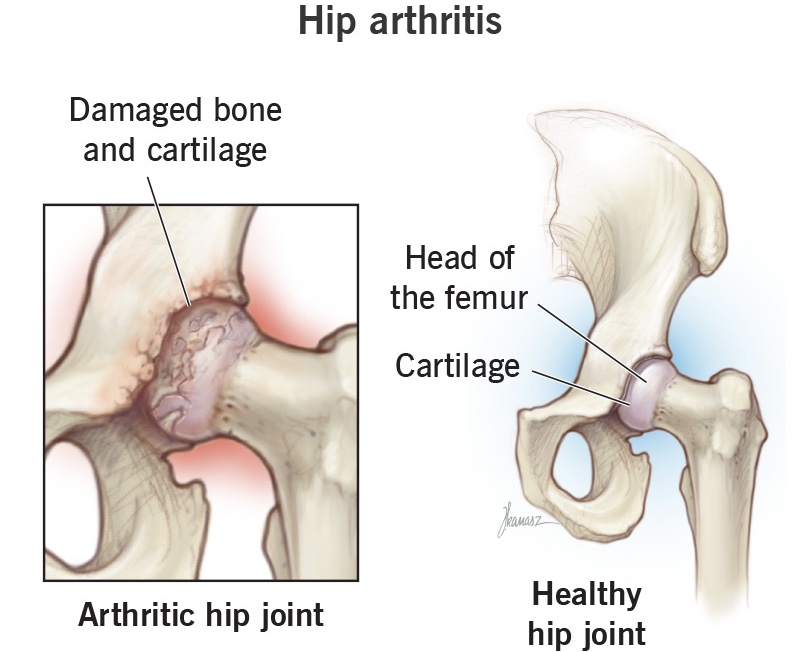
Hip arthritis occurs when the cartilage inside the joint gradually breaks down, which can lead to stiffness, reduced range of motion, and pain during walking or standing. According to the Public Health Agency of Canada, arthritis affects millions nationwide and is one of the leading causes of disability among adults (Government of Canada).
While the degeneration occurs in the hip joint itself, the forces that overload the hip often come from elsewhere in the body, especially the low back and pelvis.
Common structural contributors I see in my clinic include:
When these structural issues persist, the hip joint takes on uneven mechanical load, accelerating arthritic irritation.
Expert Insight: How Low Back Alignment Influences the Hip Joint
As a Toronto chiropractor specializing in NeuroStructural care, I examine more than where the pain is—we look at the mechanical chain that influences your hip.
1. The Lumbar Spine and Nerve Function
The nerves that supply the hip muscles originate in the lower spine. When the lumbar vertebrae shift out of alignment, they can create irritation or altered signaling along these nerve pathways. Research indicates that lumbar dysfunction can influence hip muscle activation patterns (e.g., DOI: 10.1016/j.math.2015.01.002).
This means:
If your low back isn’t working properly, your hip won’t move properly.
2. Pelvic Alignment and Load Distribution
A rotated or tilted pelvis alters how the hip socket receives force. Over time, this leads to:
Corrective chiropractic directly addresses this by restoring optimal alignment and allowing the hip joint to track more evenly.
The Glute Problem: Why Weak Glutes Make Hip Arthritis Worse
Glute activation is one of the most overlooked components of hip arthritis care.
Studies have shown that individuals with hip pain often exhibit reduced gluteus medius and gluteus maximus activation, which leads to poor hip stability during walking and standing (DOI: 10.1016/j.cpm.2017.04.001).
When the glutes don’t fire properly, the body compensates with:
These compensations increase compressive forces in the hip joint—something an arthritic hip absolutely does not need.
Why Corrective Chiropractic Helps Arthritic Hips
Our NeuroStructural Corrective Process is designed to:
Once the back and pelvis move properly, the glutes can activate naturally—not forced through random exercises, but because the biomechanics are finally correct.
How NeuroStructural Corrective Chiropractic Helps Hip Arthritis
Here’s what a Corrective Chiropractic plan typically includes at my Toronto clinic:
1. NeuroStructural Examination
We identify structural shifts in the lumbar spine, pelvis, and hip using:
2. Chiropractic Adjustments for Low Back + Pelvis
Gentle, precise adjustments help restore motion and alignment to the lumbar spine and pelvis, improving nerve communication and reducing mechanical stress on the hip.
3. NeuroFunctional Acupuncture (When Appropriate)
This approach can help reduce muscular guarding and improve neuromuscular activation around the hip and pelvis.
4. Glute Activation + Mobility Reintegration
We guide patients through corrective exercises that target:
These aren’t generic exercises—you get tailored corrective strategies based on your structural findings.
5. Long-Term Load Management
We help you move better throughout the day, whether you:
Correcting these daily load patterns is essential for slowing arthritis progression.
Local Tips for Recovery and Maintenance
Here are simple, Toronto-friendly ways to protect your arthritic hip:
1. Micro-Breaks if You Work Downtown
Every 30 minutes, stand, stretch the hip flexors, and reset your posture. Prolonged sitting is one of the biggest drivers of glute deactivation.
2. Warm Up Before Walking in Cold Toronto Weather
Cold air stiffens joints. Light glute activation before winter walking can reduce early-step pain.
3. Use the City’s Parks for Low-Impact Activity
Places like the Waterfront Trail or High Park offer softer surfaces for walking—gentler on an arthritic hip than concrete sidewalks.
4. Prioritize Supportive Footwear
Uneven ground in Toronto (especially winter slush and potholes) can worsen pelvic imbalance. Supportive shoes help maintain hip alignment.
Conclusion
Hip arthritis isn’t just a joint problem—it’s a whole-body alignment issue compounded by muscle activation deficits. When your low back moves well and your glutes fire properly, the hip can finally work the way it was designed to.
At Dr. Mateusz Krekora Chiropractic Clinic, we use a targeted NeuroStructural Corrective Process to restore alignment, reduce hip stress, and help you move pain-free again.
Ready to feel like you’re 25 again?
Book your free 20-minute case review today:
This article is for informational purposes only and should not be taken as medical advice. Please consult a licensed chiropractor before starting any treatment.

.png)
