December 19, 2025
Introduction
If you’ve been told that knee arthritis is simply “wear and tear,” you’re not alone. At my Downtown Toronto chiropractic clinic, I regularly see patients frustrated by persistent knee pain despite doing everything they were told—strengthening the quads, icing the joint, or limiting activity.
What’s often overlooked?
The low back, pelvis, and glutes—key areas that control how much load your knee absorbs with every step.
Corrective Chiropractic care focuses on improving how your entire body moves, not just where the pain shows up. When we take unnecessary stress off the knee by restoring proper spinal alignment and glute activation, many patients experience fewer arthritis symptoms and better knee function—without chasing symptoms alone.
The Problem: Knee Arthritis Is Rarely Just a Knee Problem
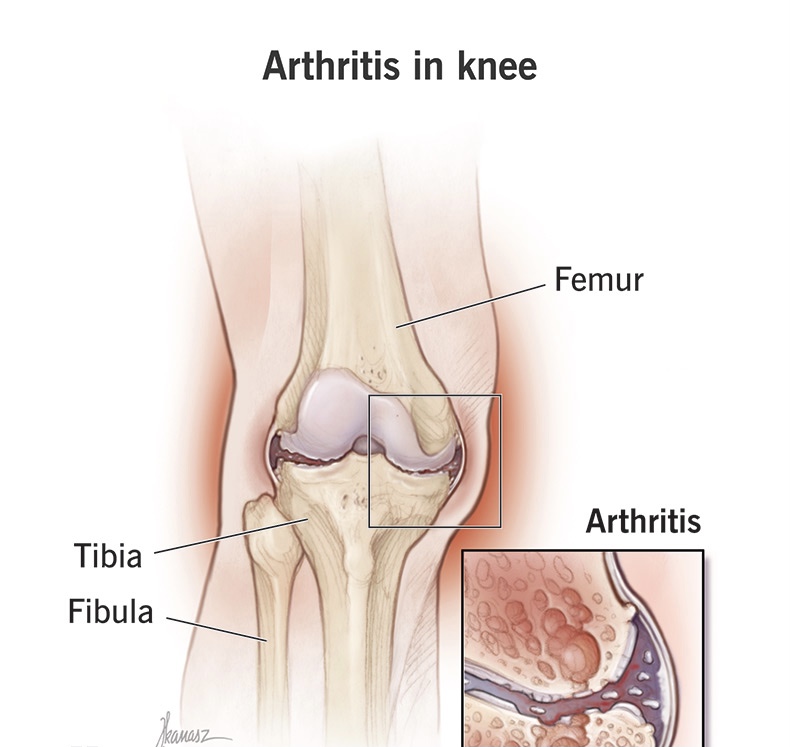
Knee osteoarthritis is one of the most common causes of pain and disability in Canada. According to the Arthritis Society of Canada, it affects millions of Canadians and is often associated with stiffness, swelling, and reduced mobility.
However, current research shows that knee arthritis is strongly influenced by how forces are distributed through the lower body, not just cartilage health.
Key contributors often missed in conventional care include:
When these factors are not addressed, the knee is forced to compensate—absorbing load it was never designed to handle alone.
Expert Insight: Dr. Mateusz Krekora’s Perspective
At Dr. Mateusz Krekora Chiropractic Clinic, I don’t look at knee arthritis in isolation.
I assess:
Why? Because the knee sits between two major force generators—the hip and the ankle. If the low back and glutes are not doing their job, the knee becomes the shock absorber.
Research published in Arthritis Care & Research shows that individuals with knee osteoarthritis often demonstrate reduced hip strength, particularly in the gluteus medius and maximus, leading to increased knee joint stress (PubMed).
How Poor Low Back Function Increases Knee Arthritis Symptoms
The lumbar spine plays a crucial role in how the pelvis moves. When spinal joints lose proper motion or alignment:
This results in what we call load leakage—where force meant to be handled by the hips shifts downward into the knee.
A biomechanical review in Clinical Biomechanics highlights that reduced hip and trunk control increases knee joint loading during walking and stair climbing (PubMed).
In simple terms:
If your low back and hips don’t move well, your knee pays the price.
The Role of Glute Activation in Reducing Knee Load
The glute muscles are the body’s primary shock absorbers during walking, running, and standing from a seated position.
When properly activated, the glutes:
A systematic review in Osteoarthritis and Cartilage found that targeted hip strengthening improves pain and function in individuals with knee osteoarthritis (PubMed).
However, strengthening alone is not always enough.
If nerve interference from the lumbar spine is present, the glutes may not fully activate—no matter how many exercises you perform.
How NeuroStructural Corrective Chiropractic Helps
Corrective Chiropractic care goes beyond symptom relief by addressing why the knee is overloaded in the first place.
At our Toronto clinic, the NeuroStructural Corrective Process focuses on:
1. Restoring Spinal Alignment
Gentle, specific chiropractic adjustments help improve joint motion and reduce nerve interference affecting the hips and glutes. The Ontario Chiropractic Association recognizes spinal manipulation as a safe and effective approach for improving neuromusculoskeletal function (OCA).
2. Improving Pelvic Stability
Balanced pelvic mechanics allow force to distribute evenly through the hips instead of collapsing into the knee.
3. Enhancing Glute Activation
When nerve communication improves, the glutes can engage more effectively—reducing strain on arthritic knee joints.
4. Rebalancing Movement Patterns
Corrective care retrains how your body loads during everyday activities like walking along Bay Street or cycling the Don Valley Trail.
While research is ongoing, current evidence suggests that addressing spinal and hip mechanics plays a significant role in reducing knee joint stress and improving functional outcomes.
Why Taking Load Off the Knee Is Essential
Knee arthritis symptoms often worsen not because the joint is “degenerating rapidly,” but because it’s being asked to do too much work.
By redistributing load:
The Government of Canada emphasizes conservative, movement-focused approaches as part of arthritis management before invasive interventions are considered (Government of Canada).
Corrective Chiropractic fits directly into this model.
Local Tips for Supporting Knee Health in Toronto
Conclusion
Knee arthritis is not just about cartilage—it’s about load management.
When the low back and glutes are functioning properly, the knee no longer has to compensate. Corrective Chiropractic care helps restore balance to the entire kinetic chain, often reducing symptoms and improving quality of life.
At Dr. Mateusz Krekora Chiropractic Clinic, we focus on fixing the root cause—not just managing knee pain.
👉 Book Your Free 20-Minute Case Review and start feeling strong, moving confidently, and living fully again.
Disclaimer:
This article is for informational purposes only and should not be taken as medical advice. Please consult a licensed chiropractor before starting any treatment.

.png)
