December 10, 2025
Introduction
Shoulder arthritis is one of the most frustrating joint issues I see at my downtown Toronto clinic—especially for adults juggling long hours at Bay Street desks, lifting weights at GoodLife, or paddling on Lake Ontario. As inflammation stiffens the shoulder joint, everyday movements—reaching overhead, putting on a jacket, or carrying a bag—become painful.
At Dr. Mateusz Krekora Chiropractic Clinic, our NeuroStructural Corrective Process blends Chiropractic Adjustments with NeuroFunctional Electroacupuncture to reduce inflammation, restore shoulder mechanics, and help you regain strong, pain-free movement.
The Problem: What Shoulder Arthritis Actually Does
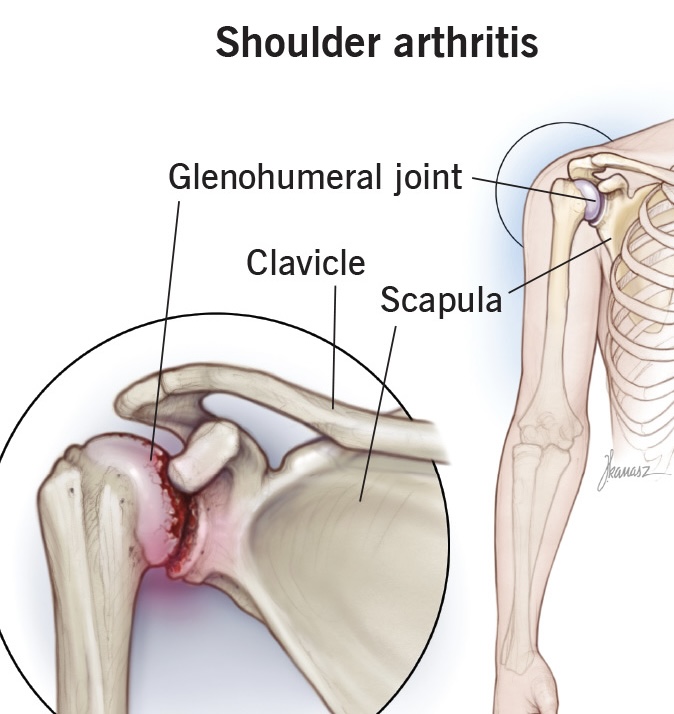
Shoulder arthritis often involves degeneration of the glenohumeral joint cartilage or inflammation of the acromioclavicular (AC) joint. According to the Public Health Agency of Canada, arthritis affects 1 in 5 Canadians and commonly leads to chronic pain, reduced mobility, and diminished quality of life (Government of Canada – Arthritis).
As inflammation increases, several mechanical issues develop:
For many people in Toronto, daily habits intensify this process—sitting slouched during TTC commutes, long computer hours, or repetitive sports movements.
Expert Insight: Why Shoulder Arthritis Isn’t Just a “Shoulder Problem”
While arthritis affects the shoulder joint directly, the thoracic spine and rib cage mechanics play a major role.
Here’s what I see clinically:
1. Poor Thoracic Extension = Dysfunctional Shoulder Positioning
If your mid-back is rounded or stiff, the shoulder blade sits too far forward and upward. This reduces the shoulder’s natural range of motion and increases joint load.
Healthy shoulder mechanics depend on the scapula gliding properly across the rib cage—and that requires adequate thoracic extension.
2. Nerve Irritation Can Worsen Pain Signals
Stiff vertebrae and muscular tension can irritate the nerves that supply the shoulder. Correcting these issues can reduce pain sensitivity and improve function—something supported by the Canadian Chiropractic Association, which notes that chiropractic care can improve mobility and decrease discomfort associated with degenerative joint conditions (CCA – Arthritis).
3. The Shoulder Is a Joint of “Motion, Not Compression”
It thrives on smooth biomechanics, not grinding or compensating. A comprehensive corrective plan aims not only to calm inflammation but to restore mechanics so the joint stops wearing down prematurely.
How NeuroStructural Corrective Chiropractic Helps Shoulder Arthritis
At my Toronto clinic, we combine three pillars of care:
1. Chiropractic Adjustments to Restore Thoracic Extension & Shoulder Mechanics
Correcting thoracic spine alignment improves:
When the thoracic spine moves well, the shoulder can move through a healthier arc without excessive compression. This is especially important for patients who spend long hours sitting or working at a computer—very common for downtown Toronto professionals.
Adjustments also help reduce stiffness and improve mobility, which the Ontario Chiropractic Association notes can support better joint function and symptom relief in degenerative joint issues (OCA – Chiropractic and Arthritis).
2. Electroacupuncture to Reduce Inflammation, Pain & Protective Muscle Spasm
Electroacupuncture (a technique within NeuroFunctional Acupuncture) uses gentle electrical stimulation through acupuncture needles to calm inflammatory pathways and relax surrounding soft tissues.
Research published in PubMed-indexed journals suggests electroacupuncture can:
Here’s how this helps shoulder arthritis:
Reduces Joint Inflammation
Electroacupuncture stimulates the nervous system to release natural anti-inflammatory chemicals, helping reduce swelling and pain.
Relaxes Overactive Muscles
Arthritis often triggers protective tension around the shoulder blade and neck. Damping these patterns improves mobility immediately.
Improves Healing Capacity
By restoring circulation and calming nerve irritation, we create a better environment for the joint to function.
I commonly use electroacupuncture for arthritis cases because patients feel relief quickly, and mobility gains last longer when combined with adjustments.
3. Corrective Exercise to Reinforce the New Structural Alignment
Once inflammation is down and the thoracic spine opens up, we reinforce the changes with targeted exercises:
These exercises help the shoulder move and glide as it should—reducing mechanical stress on the arthritic areas.
Tips for Recovery & Shoulder Joint Maintenance in Toronto
To support long-term shoulder health, here are Toronto-specific habits I recommend to my patients:
1. Desk Setup for Bay Street Office Workers
Use a chair that supports mid-back extension and place screens at eye level to reduce forward-rounded posture.
2. Modify Gym Routines
At gyms like Sweat & Tonic or GoodLife:
3. Warm Up Before Activities Like Rowing on Lake Ontario
Rowing demands full shoulder mobility—warming up with thoracic mobility drills can significantly reduce pain spikes afterward.
4. Avoid Excessive Bag Carrying on One Shoulder
Switch to a backpack or alternate sides frequently if walking across downtown or commuting via TTC.
5. Keep Moving During the Day
Break up long sitting periods with 20–30 second mobility breaks every hour.
Conclusion
Shoulder arthritis doesn’t have to limit your strength, your sports, or your day-to-day life. Corrective Chiropractic can significantly reduce pain and improve mobility by addressing both the local inflammation and the global mechanics that contribute to ongoing shoulder stress.
At Dr. Mateusz Krekora Chiropractic Clinic, our integrated approach—Chiropractic Adjustments, NeuroFunctional Electroacupuncture, and Corrective Exercise—helps you move with confidence again and regain the ability to live life fully.
Ready to feel 25 again?
Book your free 20-minute case review today:
This article is for informational purposes only and should not be taken as medical advice. Please consult a licensed chiropractor before starting any treatment.

.png)
