January 28, 2026
Introduction
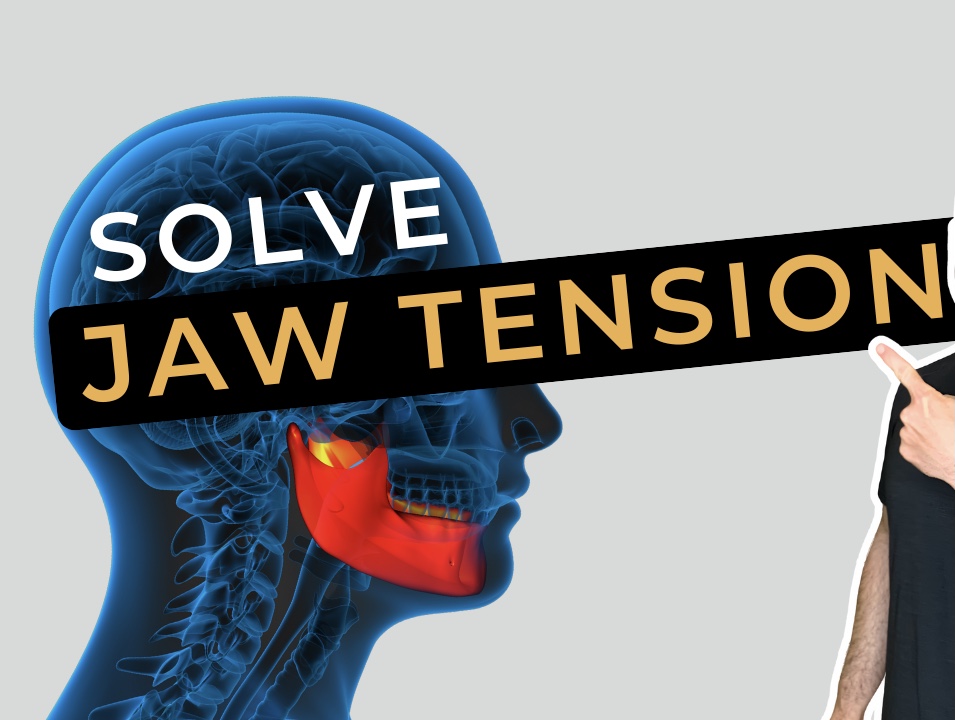
At first glance, the jaw and hamstrings seem completely unrelated. One sits at the top of the body, the other at the bottom. Yet at Dr. Mateusz Krekora Chiropractic Clinic in downtown Toronto, I frequently see patients whose jaw tension and hamstring tightness improve together once the true source of dysfunction is addressed.
This isn’t coincidence. The body is an integrated system connected through fascia and governed by the nervous system. That’s why a Corrective Chiropractic approach—one that evaluates and treats the entire spine and body—is essential to achieving lasting results, not just temporary symptom relief.
The Problem: Treating Symptoms in Isolation
Many people seek care for:
What’s common is that care often focuses only on the area of pain. Stretch the hamstrings. Massage the jaw. Maybe treat the hips or knees.
But when the primary dysfunction lives elsewhere—often in the neck or upper spine—those local treatments can fall short.
Fascial Connections: One Continuous System
Fascia is the connective tissue that surrounds and links muscles, bones, nerves, and organs. Rather than being separate pieces, fascia forms a continuous, tension-transmitting network throughout the entire body.
Research on myofascial continuity and tensegrity shows that tension in one region can influence movement and muscle tone in distant areas. A study published in Manual Therapy demonstrated that hamstring tightness can affect cervical spine muscle endurance, supporting the idea of long-distance fascial relationships (ScienceDirect).
Clinically, this makes sense. Fascial lines run from the jaw and neck down through the spine, pelvis, and into the hamstrings. If tension or restriction develops at the top—especially around the jaw and cervical spine—it can increase strain further down the chain.
Yoga and movement researchers have also explored the relationship between jaw tension and pelvic floor function, further highlighting how facial and lower-body structures influence each other through fascial continuity (Alex Newton Yoga).
Neurological Links: The Nervous System Connects It All
Beyond fascia, the nervous system plays a major role in linking jaw tension to hamstring tightness.
The jaw is innervated primarily by the trigeminal nerve, which has strong connections to the brainstem—an area that also regulates posture, muscle tone, and balance. Research has shown that trigeminal nerve input can influence postural control and muscular activation throughout the body (ScienceDirect).
When jaw tension alters head and neck posture—commonly seen as forward head posture—it can change spinal mechanics and how the brain regulates muscle tone down the spine and into the pelvis and legs. Over time, this can lead to protective tightness in the hamstrings, even when there’s no direct injury there.
This neurological relationship helps explain why spinal care often produces improvements far away from the adjustment site, a principle recognized within chiropractic practice in Canada (Ontario Chiropractic Association).
Why Corrective Chiropractic Makes the Difference
At Dr. Mateusz Krekora Chiropractic Clinic, Corrective Chiropractic means identifying and addressing the root cause of dysfunction—not chasing symptoms.
Whole-Body, Spine-Focused Assessment
Rather than focusing on just the jaw or the hamstrings, we assess:
This allows us to identify where the body is compensating and where correction is actually needed.
Correcting the Primary Dysfunction
In practice, one of the most common patterns I see is this:
A patient presents with chronic hamstring tightness, but the real driver is dysfunction in the neck and upper spine.
Once cervical alignment and motion are restored through specific chiropractic adjustments, the nervous system calms, postural stress reduces, and the lower body—often the hamstrings—begins to release naturally.
Chiropractic adjustments are known to improve joint motion, reduce nerve interference, and support healthier movement patterns throughout the body (Canadian Chiropractic Association).
Supporting the Fascial System
Corrective care often influences fascia through Neurofunctional Acupuncture and Adjustments to help normalize tension and allow the body to adapt to its improved alignment. This supports long-term change rather than short-term relief.
Local Tips for Supporting Jaw & Hamstring Health
Living and working in Toronto presents unique postural challenges—long hours at desks, commuting, and active lifestyles like cycling the Don Valley Trail.
To support your care:
Conclusion: A Connected Body Needs Corrective Care
Jaw tension and hamstring tightness are not random or isolated problems. They’re often expressions of deeper fascial and neurological patterns that run through the spine and nervous system.
That’s why Corrective Chiropractic is so effective—it treats the body as a connected whole, ensuring that nothing is missed and true healing can occur.
Ready to Feel Strong and Move Freely Again?
If you’re tired of chasing symptoms and want a clear plan to address the root cause, I invite you to book your free 20-minute case review today.
This article is for informational purposes only and should not be taken as medical advice. Please consult a licensed chiropractor before starting any treatment.

.png)
