December 2, 2025
Introduction
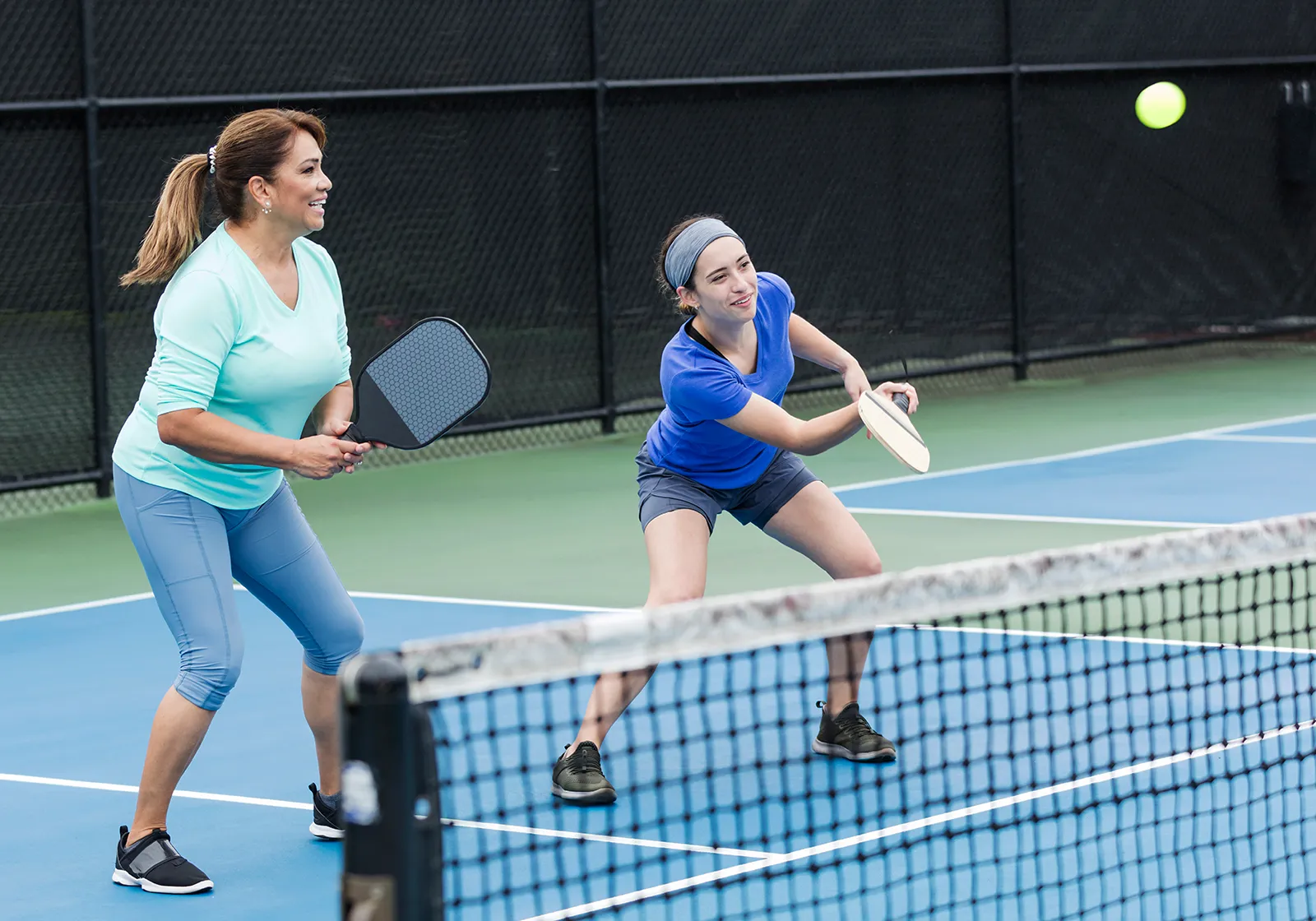
Pickleball has exploded across Toronto—from weekend games at Riverdale Park to competitive play at Downtown courts. But as more people jump into the sport, I’m seeing a growing trend at my clinic: knee pain, tennis elbow, and shoulder irritation caused by pickleball’s fast-paced, repetitive motions.
As a Toronto chiropractor specializing in NeuroStructural Corrective Care, my goal is not only to help patients recover, but to fix the root structural issues that make these injuries more likely in the first place.
The Problem: Common Pickleball Injuries
Pickleball may look low-impact, but it places surprising stress on the body. The sudden starts, lunges, and rotational swings can irritate joints and overload connective tissues.
1. Knee Pain
Pickleball players often experience:
According to the Canadian Chiropractic Association, knee pain is one of the most common lower-extremity complaints among recreational athletes due to movement inefficiencies and joint stress (CCA).
2. Tennis Elbow (Lateral Epicondylalgia)
Despite the name, it’s extremely common in pickleball due to:
The Government of Canada notes that tendon irritation often stems from repetitive strain and poor biomechanics during sport (Health Canada).
3. Shoulder Strain
Fast overhead volleys can irritate:
Poor posture—especially forward-rounded shoulders common among office workers on Bay Street—makes players more vulnerable.
Expert Insight: What I See in My Toronto Clinic
At Dr. Mateusz Krekora Chiropractic Clinic, I often see that the injury itself is rarely the true origin of the problem.
In many pickleball players, I find:
While research is ongoing, evidence suggests that correcting whole-body biomechanics reduces stress on overloaded joints and tendons (PubMed review).
In other words:
If your structure is off, your movement is off—making injuries almost inevitable.
How NeuroStructural Corrective Chiropractic Helps Pickleball Injuries
1. Correcting the Root Cause—Not Just the Pain
Most treatments only chase symptoms.
My NeuroStructural Corrective Process is different:
By correcting underlying imbalances, the knee, elbow, and shoulder experience less mechanical stress—allowing tissues to heal properly.
2. Chiropractic Adjustments for Mobility + Alignment
Gentle, precise adjustments improve:
Better mobility in the spine, hips, and ankles reduces strain on knees during lunges, cutting movements, and quick starts—common actions in pickleball.
Evidence from the Ontario Chiropractic Association shows that chiropractic care can reduce pain and improve mobility in musculoskeletal conditions associated with repetitive activities (OCA).
3. NeuroFunctional Acupuncture for Tendon Pain
I frequently use NeuroFunctional Acupuncture to help with:
It helps increase blood flow, calm irritated nerves, and reduce tissue tension—supporting faster recovery.
Published research indicates acupuncture can be beneficial for tendon-related overuse injuries when combined with corrective rehab (PubMed).
4. Corrective Exercises Tailored for Pickleball
Once alignment improves, we reinforce it with:
This transforms your biomechanics so you can play without recurring flare-ups.
5. Movement Coaching
Many players unknowingly use inefficient mechanics that increase injury risk.
In clinic, I often coach:
Better technique = Less stress = More fun games (Maybe winning more as well!)
Local Tips for Recovery & Maintenance (Toronto Edition)
1. Warm Up Properly Before Playing
Most injuries happen in the first 10 minutes.
Try:
Do this right on the Riverdale Park courts or in the hallway at Toronto Athletic Club.
2. Choose a Paddle That Fits You
Teens, adults, and seniors often use paddles that are too heavy or stiff.
Lighter paddles with larger sweet spots reduce elbow strain.
Local stores like Sporting Life on Yonge can help you test options.
3. Improve Posture Off the Court
If you sit at a desk near King Street all day, your shoulders round forward and your head drifts ahead—placing extra stress on your elbow and shoulder during swings.
Daily thoracic extension mobility can make a huge difference.
4. Build Hip + Core Stability
Better hip mechanics = Less knee pain.
Try:
These make quick directional changes safer.
5. Listen to Early Warning Signs
If your:
It’s your body asking for help.
The sooner you address it, the faster and easier the recovery.
Conclusion
Pickleball is one of Toronto’s most enjoyable and fast-growing sports—but it’s also demanding on your body. The good news is that most knee pain, tennis elbow, and shoulder strain aren’t random injuries. They’re mechanical problems that can be resolved by addressing the NeuroStructural root cause.
At Dr. Mateusz Krekora Chiropractic Clinic, I help players restore alignment, reduce pain, and build movement patterns that keep them playing longer and stronger.
If you’re ready to feel 25 again on the pickleball court, book your free 20-minute case review below:
This article is for informational purposes only and should not be taken as medical advice. Please consult a licensed chiropractor before starting any treatment.

.png)
