January 21, 2026
Introduction
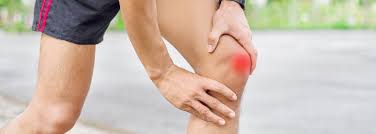
If you’re a runner in Toronto—logging miles along the Martin Goodman Trail, the Don Valley paths, or squeezing in treadmill runs after long Bay Street workdays—knee pain can feel like an unavoidable part of the sport. One of the most common complaints I see at my downtown clinic is runner’s knee, clinically known as patellofemoral pain syndrome (PFPS).
What surprises many patients is this: the knee is rarely the real problem.
At Dr. Mateusz Krekora Chiropractic Clinic, I often meet runners who’ve tried rest, ice, stretching, or even months of physiotherapy—only to have the pain return the moment they resume training. The reason? Most conventional approaches focus only on the knee, while ignoring the entire biomechanical chain, especially the lumbar spine, gluteal activation, and running gait mechanics.
Let’s break down what runner’s knee really is—and why corrective chiropractic care offers a more complete, long-term solution.
⸻
The Problem: What Is Runner’s Knee?
Runner’s knee (patellofemoral pain syndrome) is characterized by pain around or behind the kneecap, especially during:
• Running or downhill running
• Squatting or lunging
• Climbing or descending stairs
• Sitting for long periods with bent knees
According to research summarized in PubMed, PFPS is one of the most common overuse injuries in runners and active individuals, often without any structural damage visible on imaging (PubMed – Patellofemoral Pain Syndrome).
The Canadian Chiropractic Association also recognizes that knee pain is frequently influenced by biomechanical dysfunctions above and below the joint, not just local tissue irritation (Canadian Chiropractic Association).
Yet despite this knowledge, many treatments still focus on:
• Local knee strengthening
• Quad-focused exercises
• Temporary activity modification
While these can reduce symptoms, they often fail to address why the knee was overloaded in the first place.
⸻
Expert Insight with Dr. Krekora: Why the Knee Is Rarely the Root Cause
From a clinical perspective, runner’s knee is usually a compensation injury.
—The Missing Link: Lumbar Spine & Glute Inhibition
The gluteus maximus and gluteus medius play a critical role in:
• Stabilizing the pelvis
• Controlling femoral rotation
• Reducing stress on the knee during stance and push-off
However, research has shown that lumbar spinal dysfunction can inhibit proper glute activation, a phenomenon well-documented in neuro-musculoskeletal literature (PubMed – Lumbar Spine and Muscle Inhibition).
When the lower lumbar spine isn’t moving properly:
• Nerve signaling to the glutes becomes interfered with
• Glutes “have trouble firing” or underperform
• The knee absorbs forces it was never designed to handle
This is why simply “strengthening the glutes” often doesn’t work—you can’t strengthen a muscle that isn’t neurologically firing properly.
—Gait Matters: Overstriding and Knee Overload
Another major contributor I see in runners is faulty gait mechanics, especially overstriding.
What Is Overstriding?
Overstriding occurs when the foot lands too far in front of the body’s center of mass. This leads to:
• Increased braking forces
• Higher patellofemoral joint stress
• Reduced glute engagement
• Greater impact transmitted to the knee
Studies in running biomechanics have shown that overstriding significantly increases load through the knee joint, contributing to chronic anterior knee pain (PubMed – Running Gait and Knee Load).
Without addressing running form, even the best rehab program can fail—because the same faulty movement pattern keeps reloading the injury.
⸻
Why Runner’s Knee Is Often Treated Improperly
Many well-intentioned chiropractors and physiotherapists still focus on isolated regions rather than global movement patterns. Common gaps include:
• Treating the knee without assessing lumbar spine function
• Prescribing glute exercises without restoring neural input
• Ignoring gait mechanics entirely
• Failing to reassess posture and spinal alignment
The Ontario Chiropractic Association emphasizes that optimal musculoskeletal health requires a whole-body, neuro-biomechanical approach, not isolated joint care (Ontario Chiropractic Association).
This is where corrective chiropractic care fundamentally differs.
How Corrective Chiropractic Care Solves Runner’s Knee
At Dr. Mateusz Krekora Chiropractic Clinic, we use a NeuroStructural Corrective Process designed to identify and correct the root cause of runner’s knee—not just mask symptoms.
1. Spinal & Pelvic Adjustments
Precise chiropractic adjustments focus on:
• Restoring proper motion to the lumbar spine
• Improving neurological communication to the glutes
• Rebalancing pelvic mechanics
By correcting spinal dysfunction, we help reactivate inhibited muscles, allowing the hips to once again protect the knees during running.
2. NeuroFunctional Electroacupuncture
Electroacupuncture is used to:
• Enhance neuromuscular activation
• Improve muscle firing patterns
• Reduce chronic pain signaling
When applied to gluteal and lumbar-related points, electroacupuncture can help “wake up” dormant muscle pathways and support rehabilitation. Research published in peer-reviewed journals suggests acupuncture may support pain modulation and neuromuscular function in chronic musculoskeletal conditions (PubMed – Acupuncture and Neuromuscular Function).
3. Gait Retraining & Running Form Correction
We analyze:
• Stride length
• Cadence
• Foot strike relative to center of mass
• Pelvic and trunk stability
Small adjustments—such as reducing overstriding or increasing cadence—can dramatically reduce knee load and prevent recurrence of runner’s knee.
This integrative approach ensures that once pain resolves, it stays gone.
⸻
Local Tips for Runners in Toronto
To protect your knees while running in the city:
• Avoid sudden mileage increases when transitioning from winter treadmill running to outdoor trails
• Be cautious on uneven paths in the Don Valley and High Park
• Maintain good posture during long desk hours—poor sitting posture affects spinal alignment and running mechanics
• Rotate shoes regularly and avoid excessively worn midsoles
Most importantly, don’t ignore recurring knee pain—it’s often an early warning sign of deeper dysfunction.
Conclusion
Runner’s knee isn’t just a knee problem. It’s a signal that something higher up the chain—often the lumbar spine, glutes, or gait mechanics—isn’t working properly.
At Dr. Mateusz Krekora Chiropractic Clinic, our corrective, NeuroStructural approach addresses:
• Spinal dysfunction
• Glute inactivation
• Faulty running mechanics
• Nervous system inefficiency
If you’re tired of temporary fixes and want a solution that supports your long-term performance, I invite you to take the next step.
👉 Book Your Free Case Review today and start feeling like you’re 25 again.
⸻
This article is for informational purposes only and should not be taken as medical advice. Please consult a licensed chiropractor before starting any treatment.

.png)
