June 29, 2026
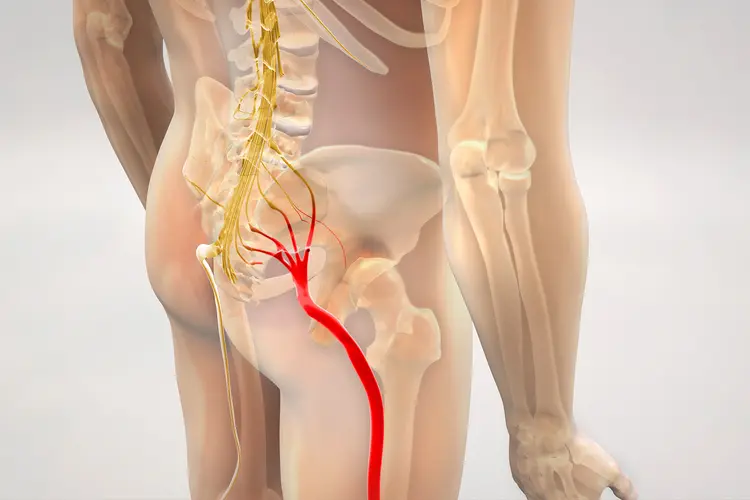
Have you ever experienced pain running down the side of your hip or thigh and immediately assumed it was sciatica?
You’re not alone.
At my Toronto chiropractic clinic, many patients come in convinced they have sciatica because they feel pain radiating into their leg. However, after a thorough examination, we often discover that the real culprit isn’t the sciatic nerve at all. Instead, the pain is coming from dysfunction in the muscles, joints, and movement patterns surrounding the pelvis and hips—a condition commonly referred to as “Side-atica.”
While Side-atica isn’t an official medical diagnosis, it’s a term often used to describe pain that travels down the outside of the hip and thigh, creating symptoms that can closely resemble sciatica. The good news is that Side-atica often responds extremely well to Corrective Chiropractic Care when the root cause is properly identified.
Let’s take a closer look at what Side-atica is, why it’s frequently misdiagnosed, and how a comprehensive corrective Chiropractic approach can help you get lasting relief.
What Is Side-atica?
Side-atica refers to pain that develops along the outer hip, buttock, and thigh. Unlike true sciatica, which involves irritation of the sciatic nerve, Side-atica is usually caused by mechanical dysfunction involving the muscles, joints, and connective tissues surrounding the pelvis and hip.
The pain often begins gradually and may worsen over time.
Common symptoms include:
Many patients describe it as a deep ache that feels like it originates in the hip and travels down the leg.
Why Side-atica Is Often Misdiagnosed
The biggest reason Side-atica gets confused with sciatica is because both conditions involve pain that radiates into the leg.
However, the source of that pain is completely different.
True sciatica typically originates from irritation of the sciatic nerve in the lower back or pelvis. Symptoms often travel down the back of the leg and may include numbness, tingling, burning sensations, or weakness.
Side-atica, on the other hand, is usually caused by dysfunction involving:
Because the symptoms can feel similar, many people spend months stretching their hamstrings, using massage guns, or searching online for sciatica exercises without addressing the true cause of their pain.
As a result, symptoms often persist or continue to worsen.
What Causes Side-atica?
Side-atica rarely develops overnight.
In most cases, it is the result of long-standing biomechanical stress and compensation patterns that gradually overload the tissues around the hip.
Several factors can contribute to its development:
Poor Posture
Many Toronto professionals spend eight to ten hours each day sitting at desks. Over time, prolonged sitting can alter pelvic positioning, weaken stabilizing muscles, and create abnormal movement patterns.
Pelvic Imbalances
When the pelvis is not moving properly, surrounding muscles are forced to compensate. This can lead to excessive tension and irritation along the side of the hip and thigh.
Weak Hip Stabilizers
The gluteus medius plays a critical role in stabilizing the pelvis during walking and standing. When this muscle becomes weak, other structures are forced to absorb more stress than they were designed to handle.
Previous Injuries
Old ankle, knee, hip, or lower back injuries can create movement compensations that eventually contribute to Side-atica symptoms.
Repetitive Activities
Cycling, running, prolonged standing, and repetitive workplace movements can all contribute to irritation if underlying dysfunction is present.
How Corrective Chiropractic Care Helps
One of the biggest mistakes in treating Side-atica is focusing exclusively on symptom relief.
Ice, stretching, massage, and pain medication may provide temporary comfort, but if the underlying mechanical problem remains, symptoms often return.
At Toronto Top Chiropractor, our focus is on identifying and correcting the root cause of the dysfunction rather than simply masking symptoms.
Our NeuroStructural Corrective Process combines several evidence-informed treatment approaches to restore proper movement and function.
Chiropractic Adjustments for Side-atica
The first step is often restoring proper joint motion throughout the spine, pelvis, and hips.
Restricted joints can alter movement patterns and place excessive stress on surrounding muscles and connective tissues.
Specific chiropractic adjustments may help:
As movement improves, the body often becomes more efficient and less reliant on compensatory muscle tension.
NeuroFunctional Electroacupuncture
For many patients, muscle tension and trigger points play a significant role in their symptoms.
NeuroFunctional Electroacupuncture combines traditional acupuncture principles with modern neuromuscular stimulation.
Small electrical currents are applied through acupuncture needles to stimulate targeted tissues and promote improved muscle function.
This approach may help:
Patients frequently report feeling looser, more mobile, and more comfortable following treatment.
Personalized Corrective Exercises
No two Side-atica cases are exactly alike.
That’s why generic exercises found online often fail to provide meaningful relief.
After identifying the specific movement dysfunction contributing to your symptoms, we create a personalized exercise program designed to address your unique needs.
Depending on your examination findings, exercises may focus on:
These exercises help reinforce the changes achieved through chiropractic adjustments and electroacupuncture while improving long-term function.
Why a Comprehensive Approach Works Best
The most successful outcomes occur when all contributing factors are addressed.
Rather than focusing on a single muscle or painful area, Corrective Chiropractic Care looks at how the entire body moves and functions together.
When spinal alignment, pelvic mechanics, muscle activation, and movement patterns are all improved, patients often experience more durable and predictable results.
Conclusion
If you’ve been struggling with pain along the side of your hip or thigh, there’s a good chance that what you’ve been calling sciatica may actually be Side-atica.
Because the condition is frequently misunderstood and misdiagnosed, many people spend months—or even years—trying treatments that fail to address the real cause of their symptoms.
The good news is that Side-atica often responds extremely well to a combination of corrective chiropractic adjustments, NeuroFunctional Electroacupuncture, and personalized rehabilitation exercises designed specifically for your body.
If you’re ready to discover what’s really causing your hip or leg pain and start addressing the root cause, we’re here to help.
Book your free 20-minute case review today and start feeling 25 again.
Book Your Free Case Review: https://torontocorrectivechiropractic.janeapp.com/#/staff_member/5
This article is for informational purposes only and should not be taken as medical advice. Please consult a licensed chiropractor before starting any treatment.

.png)
