November 21, 2025
Introduction
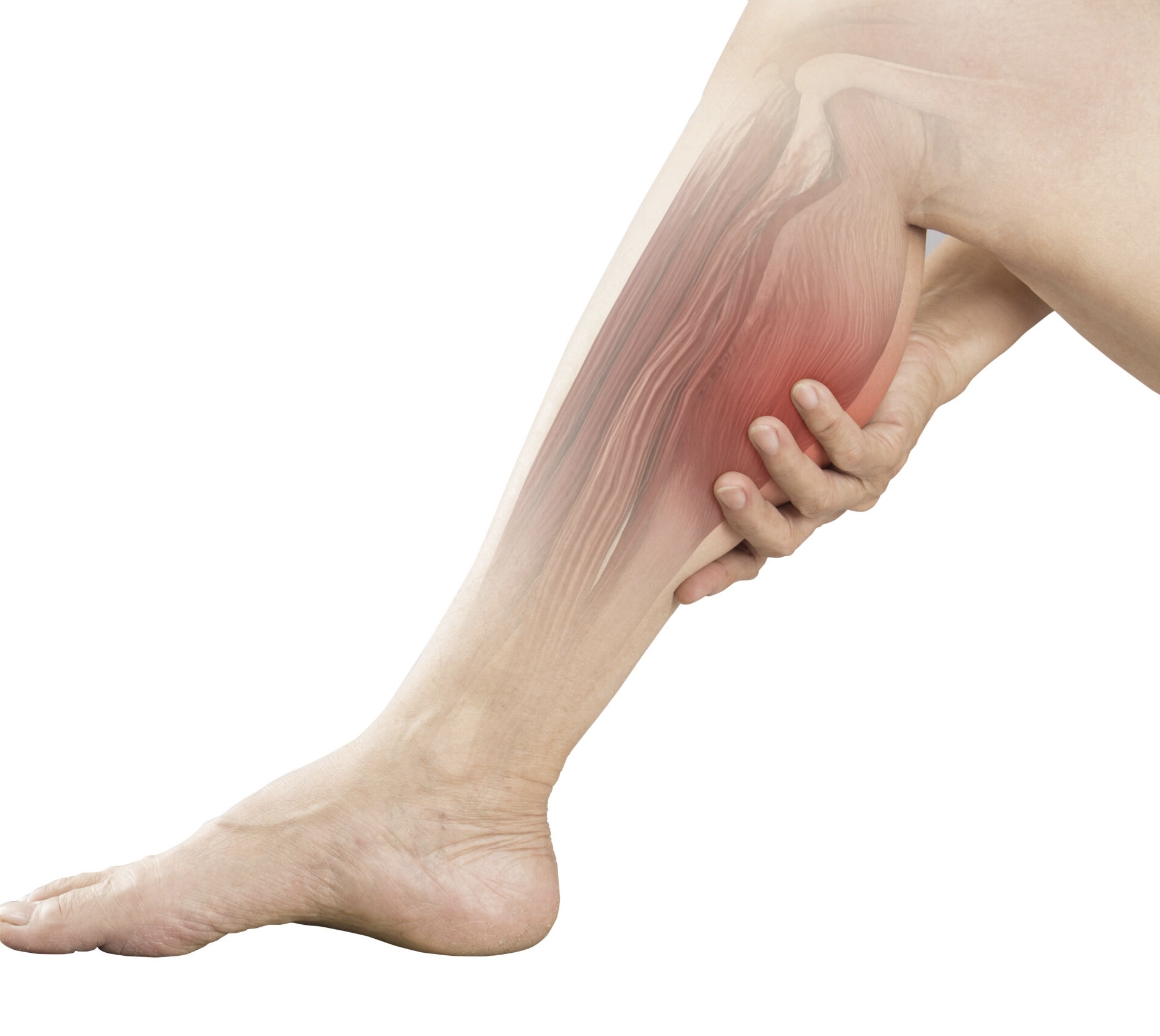
If you’ve ever had your calf lock up on a Don Valley Trail run or your hamstring cramp during a long day sitting at your Bay Street desk, you may have heard the usual advice: “Drink more water.” “You’re low in magnesium.”
But what if your cramps aren’t caused by a nutritional deficiency at all?
At my Toronto chiropractic clinic, I often see patients who have been supplementing electrolytes for months—with no change. Their real issue isn’t hydration or minerals. It’s a deeper problem: neuromuscular dysfunction affecting how the brain communicates with the muscle.
Today, I’ll break down why cramps often originate from faulty neuromuscular control, how I test for this using a simple hamstring assessment, and how NeuroStructural chiropractic adjustments and NeuroFunctional Acupuncture can restore proper muscle function.
The Problem: When a Muscle Cramp Isn’t About Electrolytes
Most people assume that cramps come from dehydration or low magnesium or potassium. While electrolyte imbalances can cause cramping, research from the Canadian Chiropractic Association notes that muscle spasms are frequently linked to muscle fatigue, nerve irritation, and altered neuromuscular control—not just electrolytes (CCA – Muscle Health).
The Government of Canada also acknowledges that while hydration and nutrition influence muscle performance, cramps often stem from neuromuscular fatigue and improper muscle firing patterns (Canada.ca – Muscle cramps).
So if you have been:
…and still feel your hamstring, calf, or foot tightening up, the real culprit may be nerve signalling, not what’s in your water bottle.
Expert Insight with Dr. Krekora: What I See When I Muscle-Test a “Cramping” Hamstring
One of the most common examples I use in the clinic is hamstring muscle testing.
What Most Patients Expect
They think their hamstring is “too tight,” “too short,” or “overused.”
What Often Actually Happens
When I perform manual muscle testing, the hamstring tests weak (often failing to hold against gentle resistance) and CRAMPS!
This weakness isn’t because the muscle is lacking strength. Instead, it’s a breakdown in communication between the nervous system and the muscle fibers.
This is what we call neuromuscular inhibition.
How That Leads to Cramping
When a muscle loses proper neural control:
This is why you might feel fine walking, but when you pick up the pace or change position, the muscle suddenly locks up.
Typical Patterns I See
This is why stretching alone rarely solves the issue.
You cannot stretch your way out of a neuromuscular problem.
How NeuroStructural Chiropractic Care Fixes the Root Cause
The goal of my NeuroStructural approach is simple:
Restore proper nerve-muscle communication so the muscle functions the way it’s supposed to.
1. Correcting the Underlying Joint Dysfunction
When spinal or pelvic joints are misaligned or not moving correctly, they irritate nearby nerves. These nerves control your muscles.
Adjustments restore normal joint mechanics, which:
The Ontario Chiropractic Association highlights that proper spinal motion is essential for healthy neuromuscular function (OCA – Spine Health).
2. Re-Activating Weak or Inhibited Muscles Through Muscle Testing
After adjustments, I retest the muscle.
In many cases, the same hamstring that “locked up” now holds strong and stable against resistance.
This proves the cramp was neurological, not nutritional!
3. NeuroFunctional Acupuncture for Deeper Neuromuscular Reset
NeuroFunctional Acupuncture targets motor points, where nerves enter the muscle.
Stimulating these points improves:
Current evidence shows motor-point acupuncture can reduce muscle hyperactivity and improve neuromuscular firing patterns (PubMed – Motor point needling).
In practice, I often combine acupuncture with adjustments to “reboot” the muscle system.
4. Restoring Functional Movement
Once the neuromuscular system is stable again, muscles stop cramping because they’re working efficiently—not fighting to compensate for instability.
Patients often report:
The body simply works better when the nervous system controls the muscles properly.
Local Toronto Tips for Preventing Recurring Cramping
Here are practical recommendations I give patients in the city:
1. Take Micro-Breaks at Work
If you work long hours near the Financial District, sitting for extended periods weakens glutes and overloads hamstrings.
Try a 30-second standing reset every hour.
2. Warm Up Before Don Valley or Martin Goodman Trail Runs
Hamstrings love dynamic warm-ups:
This preps the neuromuscular system—not just the muscles.
3. Strengthen Glutes, Don’t Just Stretch Hamstrings
Weak glutes cause hamstrings to over-engage and eventually cramp.
Try bridges or mini-band walks.
4. Prioritize Pelvic + Lumbar Mobility
Simple daily movements like cat-camel or pelvic tilts reduce nerve irritation from stiff spinal joints.
5. Get Assessed if Cramping Is Persistent
If cramps keep happening, don’t assume it’s hydration or magnesium.
A neuromuscular assessment can reveal the real issue.
Conclusion
Muscle cramps aren’t always caused by hydration or mineral deficiencies.
In many Toronto patients, the true source is neuromuscular dysfunction—a breakdown in communication between the brain, nerves, and muscles.
Through targeted NeuroStructural chiropractic adjustments, precise muscle testing, and NeuroFunctional Acupuncture, we can restore proper neuromuscular control and help your muscles function the way they were designed to.
Ready to find out whether your cramping has a neuromuscular root cause?
Book your free 20-minute case review today and start feeling 25 again.
Disclaimer:
This article is for informational purposes only and should not be taken as medical advice. Please consult a licensed chiropractor before starting any treatment.

.png)
