January 26, 2026
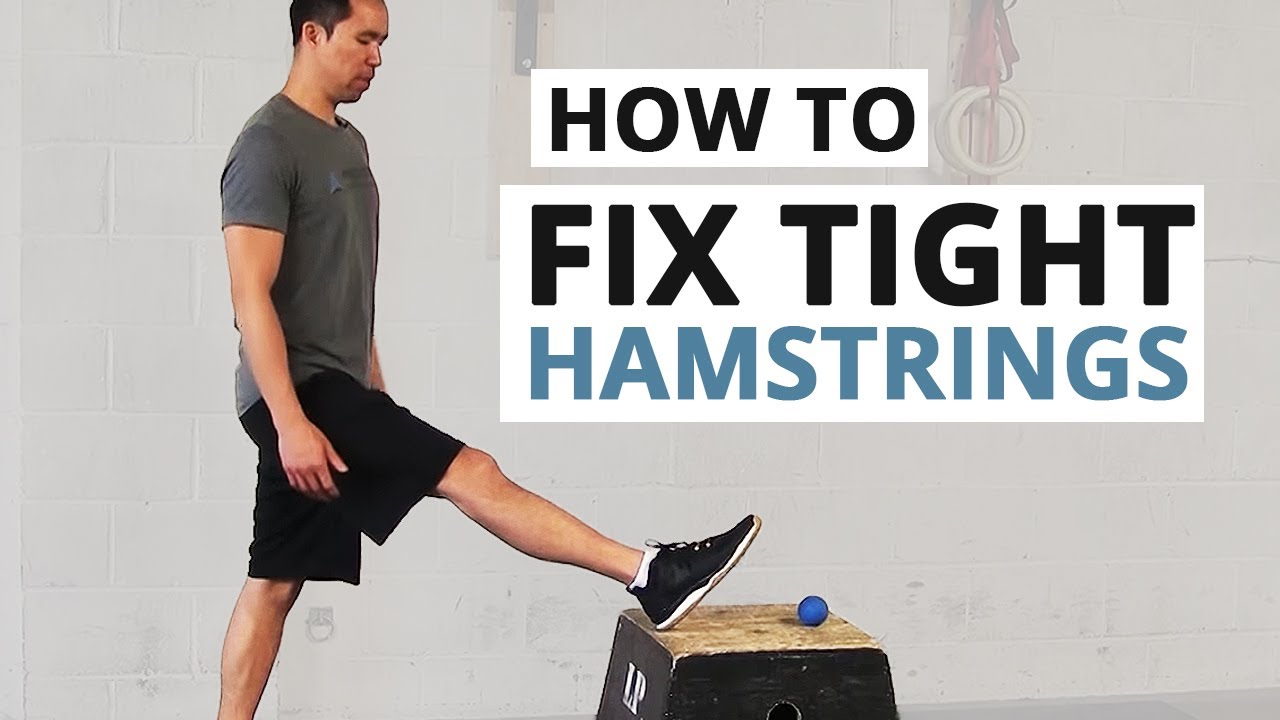
Why Your Hamstrings Stay Tight — Even After Stretching
If you’ve ever religiously stretched and foam-rolled your hamstrings but still feel a stubborn tightness, you’re not imagining it. What many people don’t realize is that persistent hamstring tightness often isn’t just a muscle issue — it can be neural tension, especially from the sciatic nerve being irritated or compressed at the lumbar spine. Until this neural component is addressed, stretching and foam rolling alone may offer only temporary relief.
In this post, I’ll explain why your hamstrings feel tight because of sciatic nerve tension, why traditional stretching often falls short, and how corrective chiropractic care — including spinal adjustments and electroacupuncture — can help restore proper nerve and joint function so you finally get real, lasting relief.
The Real Source of “Tight Hamstrings” — It’s Not Always the Muscle
When most people think of hamstring tension, they assume it’s a tight muscle that needs stretching. But here’s the key insight:
👉 Muscle tightness can be a protective response to nerve irritation.
The sciatic nerve, the largest nerve in the body, travels from the lower back (lumbar spine), through the buttock, and down behind the hamstrings into the leg. If something irritates or compresses this nerve — like dysfunction in the lower back joints — the nervous system can respond by increasing tension along the nerve’s path. This often feels like tight hamstrings.
What Causes Sciatic Nerve Tension?
Sciatic nerve irritation can come from several sources:
Importantly, this tension pulls on the nerve sheath, which connects all the way down past the hamstrings. That’s why hamstring stretches sometimes feel good in the moment but don’t fix the root cause — the nerve is still irritated upstream in the lower back.
This concept is supported in neurological and musculoskeletal research showing how neural tension can mimic muscle tightness and how neural mobility restrictions affect movement and comfort. Neurodynamic testing (like the slump test or straight-leg raise) is often used to assess nerve tension, not just muscle flexibility. While research is ongoing, current evidence suggests that addressing neural tension is critical for long-term improvement. (See Neurodynamic techniques and neural tension concepts.1)
Why Stretching and Foam Rolling Alone Often Don’t Work
Stretching and foam rolling are great tools — but they mainly target muscles. They don’t address:
✅ Joint dysfunction in the lower back
✅ Nerve compression or irritation
✅ Movement dysfunction or postural imbalances
✅ Neurological tightness from the central or peripheral nervous system
Think of it like this: You can stretch a phone charging cable all day, but if it’s bent or pinched near the plug, it won’t charge properly!
Likewise, if your lumbar spine isn’t moving correctly, your nervous system will stay in a state of tension. That tension travels down to the hamstrings because the sciatic nerve has to glide smoothly through your body as you move. Until you improve the nerve’s environment — the spine, the discs, the surrounding muscles and fascia — you’ll likely keep feeling tightness no matter how much you roll.
This is where targeted interventions come in.
How Corrective Chiropractic Care Helps — Beyond Stretching
At Dr. Mateusz Krekora Chiropractic Clinic in Downtown Toronto, we take a root-cause approach, focusing on the lumbar spine and nervous system rather than only the muscle symptoms.
Here’s how our approach helps:
1. Chiropractic Adjustments Restore Spinal Function
Chiropractic adjustments are precise, controlled movements applied to the vertebrae of the spine. When spinal joints are not moving well — something chiropractors call hypomobility — the nerve roots exiting the spine can become entrapped or irritated.
By restoring proper motion and alignment:
In simple terms: a freer joint means a freer nerve, which means less neural tension all the way down the sciatic path — including the hamstrings.
2. NeuroFunctional Electroacupuncture Reduces Neural Irritation
Electroacupuncture pairs traditional acupuncture with gentle electrical stimulation. Unlike typical dry needling that targets primarily muscle triggerpoints, NeuroFunctional Electroacupuncture targets both muscle and nerve pathways.
This form of therapy:
The nervous system doesn’t differentiate well between pain and nerve tension — so calming neural irritation often leads to noticeable reductions in “tightness” and discomfort.
3. Full Body Assessment Identifies Compensations and Imbalances
We don’t just treat your hamstrings in isolation. A comprehensive assessment reviews:
Correcting the pattern — not just the symptom — increases your chances of long-term relief.
What This Feels Like — Patient Experiences
Many patients come in saying:
“My hamstrings feel constantly tight — even though I stretch every day.”
After a corrective chiropractic evaluation, we often find underlying lumbar dysfunction or nerve irritation contributing to their symptoms.
Once adjustments and electroacupuncture are part of the care plan, patients report:
Simple Tips for Any Toronto-Busy Lifestyle
While corrective chiropractic care addresses the root cause, here are a few supportive habits you can incorporate into your day:
🪑 Improve Your Sitting Posture
Sitting for long hours compresses the lower back and can aggravate the sciatic nerve. Make sure to have an ergonomic desk set-up hat helps you avoid slouching.
🚶♂️Take Frequent Movement Breaks
Stand up, walk, or gently stretch every 30–45 minutes. Movement helps nerve gliding.
🧘♂️Gentle Neural Glides (Not Aggressive Stretching)
Neural glides — controlled movements that gently tension and release the nerve — can help reduce neural tightness better than traditional static stretches.
🏃♀️Stay Consistent with Corrective Care
Progress isn’t always linear. Staying consistent with adjustments and electroacupuncture ensures your nervous system adapts and heals effectively.
Conclusion — Treat the Cause, Not Just the Symptom
Persistent hamstring tightness is often mistakenly blamed on muscle stiffness. But when the sciatic nerve is under tension due to lumbar spine dysfunction, muscles will continue to guard and feel tight — no matter how much stretching or foam rolling you do.
If you’re in Toronto and struggling with ongoing hamstring tightness, consider a corrective chiropractic assessment that looks at the whole picture: spine function, nerve health, and movement patterns.
At Dr. Mateusz Krekora Chiropractic Clinic, we specialize in finding and correcting the true source of your neuromusculoskeletal symptoms — so you can finally move, stretch, and live with confidence.
👉 Book Your Free 20-Minute Case Review today and start feeling like you’re 25 again:
https://torontocorrectivechiropractic.janeapp.com/#/staff_member/5
This article is for informational purposes only and should not be taken as medical advice. Please consult a licensed chiropractor before starting any treatment plan.
References & Further Reading

.png)
