April 3, 2026
Introduction
If you’ve ever gone for a run along Toronto’s Waterfront Trail or pushed through a jog in High Park, you’ve probably done a quick stretch beforehand and called it a warm-up.
But here’s what most runners don’t realize: stretching alone isn’t preparing your body to run—it may actually be holding you back.
As a Toronto chiropractor, I regularly work with runners who feel tight, slow, or prone to injury despite stretching consistently. The real issue isn’t flexibility—it’s muscle activation, especially in the glutes.
If you want to run stronger, faster, and with less pain, it’s time to shift your focus from stretching to activating your glutes.
The Problem or Symptom
Why Stretching Before Running Isn’t Enough
For years, static stretching (holding a stretch for 30+ seconds) was considered essential before running. But research has shifted.
Evidence published in the Journal of Strength and Conditioning Research shows that static stretching before activity can reduce muscle strength and power output (source).
The Government of Canada’s physical activity recommendations also emphasize movement-based warm-ups over passive stretching (source).
Common Running Issues I See in Toronto
At my clinic, runners often report:
• Tight hamstrings or hip flexors
• Knee pain (especially during longer runs)
• Lower back discomfort
• Feeling like their legs are “doing all the work”
• Poor endurance despite training
These issues are often linked to one root problem:
👉 Your glutes aren’t doing their job.
Expert Insight (Dr. Krekora’s Perspective)
Why the Glutes Matter So Much for Running
Your gluteal muscles—especially the gluteus maximus and gluteus medius—are essential for:
• Hip extension (driving you forward)
• Pelvic stability
• Shock absorption
• Proper leg alignment
When your glutes are strong and activated, they:
• Improve stride efficiency
• Reduce stress on your knees and lower back
• Help you run longer with less fatigue
However, many runners in Toronto deal with glute inhibition, often caused by prolonged sitting, poor posture, or underlying spinal dysfunction.
Research in Clinical Biomechanics shows that reduced glute activation can alter movement patterns and increase stress on surrounding joints (source).
The Real Problem: Inactive vs. Weak
Here’s something important:
👉 Your glutes might not be weak—they might just be inactive.
This means your brain isn’t effectively communicating with the muscles. When that happens:
• Your hamstrings overcompensate
• Your lower back takes on extra load
• Your knees absorb more impact
Stretching these overworked muscles might feel good temporarily—but it doesn’t solve the underlying issue.
How NeuroStructural Care Solves It
Step 1: Replace Stretching with Activation
Instead of starting your run with static stretches, focus on activating your glutes.
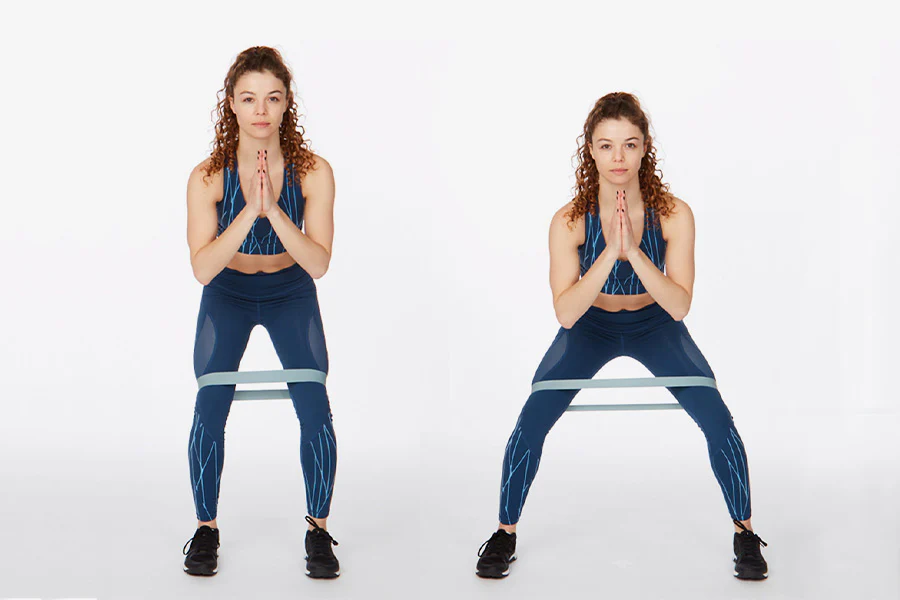
Simple Pre-Run Activation Routine (5 Minutes)
• Glute bridges (10–15 reps)
• Clamshells (10 reps each side)
• Banded lateral walks (10 steps each direction)
• Bodyweight squats (slow and controlled)
These exercises “turn on” your glutes so they’re ready to work during your run.
According to research in Sports Medicine, dynamic and activation-based warm-ups can improve performance and reduce injury risk (source).
Step 2: Improve Neuromuscular Control
Activation isn’t just about movement—it’s about timing and coordination.
When your glutes fire at the right time:
• Your stride becomes more efficient
• Your pelvis stays stable
• Your energy output improves
This is especially important for runners navigating Toronto’s varied terrain—from flat sidewalks to incline-heavy park trails.
Step 3: Correct the Root Cause
If you’ve tried activation exercises but still don’t feel your glutes working, there may be a deeper issue.
At Dr. Mateusz Krekora Chiropractic Clinic, I assess:
• Spine alignment
• Pelvic positioning
• Nerve interference
• Movement patterns
When the spine or pelvis is misaligned, it can disrupt nerve signals to the glutes—making proper activation difficult or impossible.
Through NeuroStructural Corrective Care, we address the root cause by:
• Restoring proper alignment
• Reducing nerve pressure
• Rebuilding efficient movement patterns
Many runners notice a significant difference—not just in how they run, but how they feel during and after.
Local Tips for Recovery and Maintenance
Running in a busy city like Toronto comes with its own set of challenges. Here’s how to stay ahead:
1. Warm Up With Purpose
Before your next run along the Don Valley Trail:
• Skip long static stretches
• Spend 5 minutes on activation exercises
• Gradually build into your pace
2. Watch Your Daily Habits
Long hours sitting—whether at school or work—can shut down your glutes.
• Stand up regularly
• Do quick activation drills during the day
• Be mindful of posture
3. Strengthen What You Activate
Activation is the first step—but strength matters too.
Incorporate:
• Deadlifts
• Hip thrusts
• Step-ups
This builds long-term resilience and performance.
4. Listen to Your Body
Persistent tightness or recurring injuries aren’t normal.
They’re signals that something isn’t functioning properly—and stretching alone won’t fix it.
Conclusion
If you’re still relying on stretching before your runs, you may be missing the most important piece of the puzzle.
Activated glutes are essential for efficient, pain-free running. They protect your joints, improve your performance, and help you move the way your body was designed to.
If you’re struggling to feel your glutes working—even after trying activation exercises—it’s time to look deeper.
At Dr. Mateusz Krekora Chiropractic Clinic in Toronto, we focus on identifying and correcting the root cause so your body can function at its best.
Book your free 20-minute case review today and start feeling 25 again:
⸻
Disclaimer:
This article is for informational purposes only and should not be taken as medical advice. Please consult a licensed chiropractor before starting any treatment.

.png)
