March 2, 2026
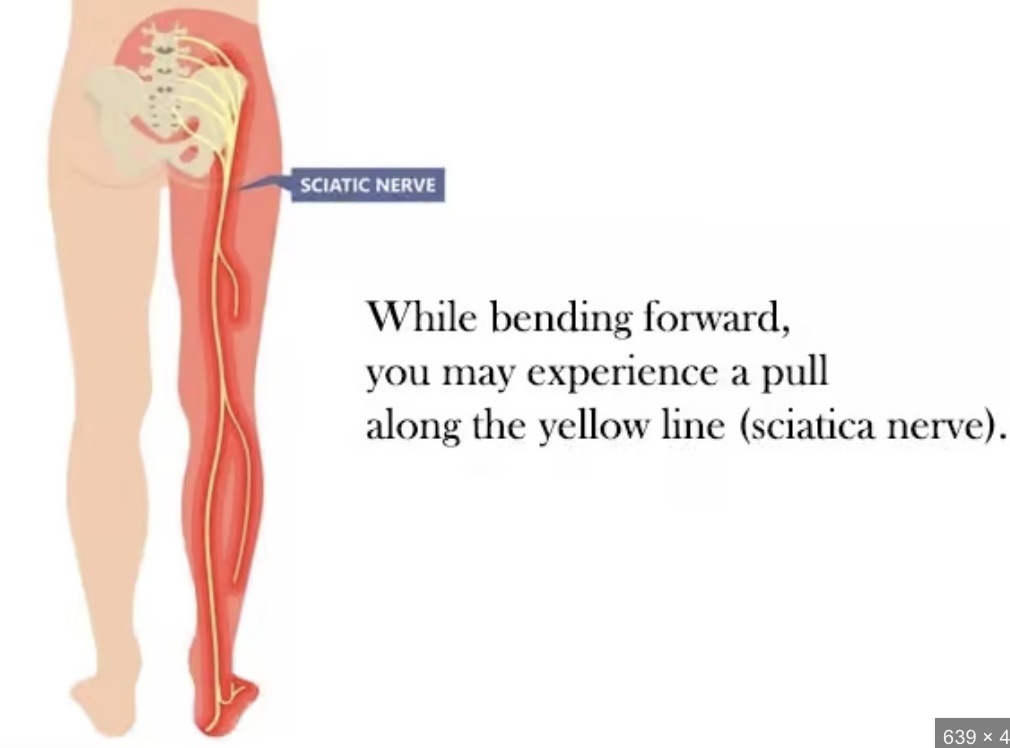
If you’ve been stretching your hamstrings every day after running on the Don Valley Trail or sitting long hours at your Bay Street desk—but they still feel tight—you’re not alone.
At my Toronto clinic, many Chiropractic patients tell me:
“I can touch my toes, but the tightness behind my knee never goes away.”
Here’s the surprising truth: your hamstrings may not actually be tight.
In many cases, what feels like muscle tightness is actually sciatic nerve tension—a neurological issue originating in the low back. And if that’s the case, no amount of static stretching will fix it.
Let’s deconstruct this.
The Problem: When “Tight Hamstrings” Aren’t Really Tight
Hamstring tightness is one of the most common complaints I see in Downtown Toronto.
But here’s something interesting:
If you can reach your toes but still feel pulling behind the knee—and your SLR is limited—this strongly suggests neural tension, not muscle tightness.
Why That Matters
The hamstrings are muscles.
The sciatic nerve is a neural structure.
Muscles respond well to stretching.
Nerves do not.
In fact, aggressively stretching a nerve under tension can worsen irritation.
According to research indexed on PubMed, the Straight Leg Raise test is widely used to assess lumbar nerve root tension and irritation, particularly involving the sciatic nerve. Limited range during SLR often indicates neural sensitivity rather than muscular restriction.
The Canadian Chiropractic Association (CCA) also emphasizes that sciatic symptoms commonly originate from mechanical dysfunction in the lumbar spine affecting nerve roots (CCA – Sciatica Overview).
So what’s actually happening?
Expert Insight (Dr. Mateusz’s Perspective)
At Dr. Mateusz Krekora Chiropractic Clinic in Toronto, I evaluate hamstring complaints differently.
Instead of asking:
“How tight are the hamstrings?”
I ask:
‘Is the sciatic nerve under tension or the hamstrings?
The Anatomy Behind It
The sciatic nerve originates from nerve roots in the lower lumbar spine (L4-S3). If there is:
…the nerve can become sensitized and irritated.
When that happens:
This explains why:
This is a classic sign of sciatic nerve tension.
The Ontario Chiropractic Association (OCA) notes that mechanical dysfunction in the lumbar spine can contribute to radiating leg symptoms, even when pain is mild or intermittent (OCA – Back Health Resources).
How NeuroStructural Corrective Care Solves It
At my Downtown Toronto practice, we focus on the origin of the tension—not the symptom.
Step 1: Corrective Chiropractic Adjustments
The goal is restoring proper spinal alignment and motion in the lumbar segments contributing to nerve irritation.
When spinal joints move properly:
This is not about quick symptom relief.
This is about structural correction.
The NeuroStructural Corrective Process addresses the underlying biomechanical dysfunction causing the nerve tension in the first place.
Step 2: NeuroFunctional Electroacupuncture
Electroacupuncture can further calm irritated nerve pathways.
Research published in peer-reviewed journals available via PubMed suggests that electroacupuncture may help modulate nerve signaling and reduce neuropathic sensitivity.
In my clinical experience, combining chiropractic adjustments with targeted electroacupuncture:
It works synergistically—not as a standalone solution.
Step 3: Targeted Rehabilitation (Not Stretching)
Here’s where most people go wrong.
Instead of aggressive hamstring stretching, we focus on:
1. Nerve Flossing (Neural Glides)
Gentle, controlled movements that help the sciatic nerve glide smoothly within its sheath—without overstretching it.
2. Posterior Chain Strengthening
Weak glutes and poor hip stability increase strain on the lumbar spine. Strengthening reduces mechanical overload.
3. Core Stability Training
Improving deep core function reduces repeated stress on the lumbar segments that house the sciatic nerve roots
Stretching alone doesn’t fix instability.
Corrective rehab does.
Why You Can Touch Your Toes But Still Have Sciatic Tension
This confuses many people.
Here’s the breakdown:
So if you:
…it’s worth assessing for sciatic nerve tension.
Especially if you sit long hours, drive frequently, or have a history of low back pain.
Local Tips for Toronto Professionals
Living and working in Toronto creates predictable stress patterns.
Here’s what I recommend for my patients:
1. Break Up Sitting Every 30–45 Minutes
Especially if you work in finance or tech downtown. Lumbar flexion increases nerve root compression.
2. Strengthen Before You Stretch
Add glute bridges, dead bugs, and hip hinges before long static stretches.
3. Avoid Aggressive Toe Touch Holds
If you feel tension behind the knee, that may be nerve tissue—not muscle.
4. Get a Proper Assessment
A structured evaluation including:
At our clinic, we don’t guess. We test!
The Bigger Picture: Stop Treating Symptoms
Stretching tight hamstrings is like loosening a rope that’s being pulled from above.
Until you reduce tension at the source (lumbar spine + nerve roots), the tightness returns.
That’s why so many people:
…and still feel restricted.
It’s not that those tools are bad.
They’re just not targeting the real issue.
Conclusion: Fix the Cause, Not the Symptom
If your hamstrings never seem to improve—even though you’re flexible—it may be time to consider sciatic nerve tension.
At Dr. Mateusz Krekora Chiropractic Clinic in Toronto, our NeuroStructural Corrective approach focuses on:
Because when the nerve moves better, the “tightness” often disappears—without endless stretching.
If you’re ready to stop chasing symptoms and start correcting the root cause:
Let’s help you feel strong and live to the fullest—maybe even feel 25 again.
This article is for informational purposes only and should not be taken as medical advice. Please consult a licensed chiropractor before starting any treatment.

.png)
